
होमAsian CricketRecord Chase in Lahore: Pakistan Chase Down 326 to Clinch Tri-Nation Title With Nine Balls to Spare
Asian Cricket
Record Chase in Lahore: Pakistan Chase Down 326 to Clinch Tri-Nation Title With Nine Balls to Spare
Q1: लाहौर त्रिकोणीय वनडे सीरीज़ फाइनल में कौन जीता? A1: पाकिस्तान ने श्रीलंका को हराया। 326 रन के लक्ष्य का पीछा करते हुए पाकिस्तान ने 48.3 ओवर में 7 विकेट पर 331 रन बनाए और तीन विकेट तथा नौ गेंद शेष रहते जीत दर्ज की। Q2: पाकिस्तान की जीत किस रिकॉर्ड के बराबर है? A2: 326 रन का यह पीछा 2002 में भारत द्वारा इंग्लैंड के खिलाफ त्रिकोणीय सीरीज़ फाइनल में किए गए पीछा के बराबर है, और इसे वनडे टूर्नामेंट नॉकआउट फाइनल में सबसे बड़ा सफल पीछा माना जा रहा है। Q3: श्रीलंका ने कितना स्कोर बनाया और कमिंदु मेंडिस का प्रदर्शन कैसा रहा? A3: श्रीलंका ने 8 विकेट पर 325 रन बनाए। कमिंदु मेंडिस ने 131 रन की पारी खेली, जो किसी श्रीलंकाई बल्लेबाज़ का किसी वनडे फाइनल में तीसरा सर्वश्रेष्ठ व्यक्तिगत स्कोर है (जयसूर्या 189, अटापट्टू 132* के बाद) और पाकिस्तान के खिलाफ किसी वनडे फाइनल में दूसरा सर्वश्रेष्ठ (लारा 153 के बाद)। Q4: फखर ज़मान ने कौन-से रिकॉर्ड बनाए? A4: फखर ने 300+ लक्ष्य का पीछा करते हुए अपना चौथा वनडे शतक जड़ा - जो पाकिस्तानी बल्लेबाज़ों में सर्वाधिक है (बाबर और यूनिस के तीन-तीन)। यह उनकी तीसरे वनडे टूर्नामेंट फाइनल में दूसरी शतकीय पारी थी (सईद अनवर के बाद दूसरे पाकिस्तानी)। उन्होंने 96वें पारी में 4,000 वनडे रन पूरे किए। Q5: बाबर आज़म के कौन-से रिकॉर्ड हैं? A5: बाबर ने 82वें पारी में 4,000 वनडे रन पूरे किए, यानी पाकिस्तान के सबसे तेज़। उनके नाम 300+ पीछा में तीन वनडे शतक हैं, जो फखर (4) से पीछे और यूनिस के बराबर हैं। Q6: अराफात मिन्हास की क्या खासियत है? A6: उन्होंने अपने पहले आठ वनडे में दो अर्धशतक और दो पांच-विकेट हॉल दर्ज किए, जिससे वे JJ स्मिट के बाद दुनिया के दूसरे क्रिकेटर बने जिन्होंने शुरुआती आठ वनडे में यह किया। Q7: शाहीन शाह अफरीदी की क्या भूमिका रही? A7: शाहीन के एक छक्के ने पाकिस्तान का स्कोर 331 तक पहुंचाया, यानी रिकॉर्ड पीछा पूरा करने वाला अंतिम प्रहार निचले क्रम से आया। इस मैच से जुड़ी कवरेज में कप्तानी को लेकर अस्पष्टता (शाहीन बनाम बाबर) देखी गई है। Q8: यह जीत क्यों मायने रखती है और इसकी सीमा क्या है? A8: 2017 चैंपियंस ट्रॉफी के बाद यह पाकिस्तान का पहला बहु-राष्ट्रीय वनडे खिताब है। हालांकि इसी सीरीज़ में पाकिस्तान 110 रन पर ढेर हुआ था, इसलिए यह जीत टीम की बड़े मौकों की क्षमता दर्शाती है, न कि स्थिरता। सभी रिकॉर्ड-दावों को आधिकारिक स्कोरकार्ड से सत्यापित करना आवश्यक है। Q9: संयुक्त स्कोर का क्या रिकॉर्ड है? A9: दोनों पारियों में कुल 656 रन बने, जिसे त्रिकोणीय वनडे सीरीज़ या टूर्नामेंट फाइनल में सर्वाधिक संयुक्त स्कोर माना जा रहा है। 331 पाकिस्तान का दूसरा सर्वाधिक वनडे नॉकआउट स्कोर है (2017 चैंपियंस ट्रॉफी फाइनल में भारत के खिलाफ 338/4 के बाद)।
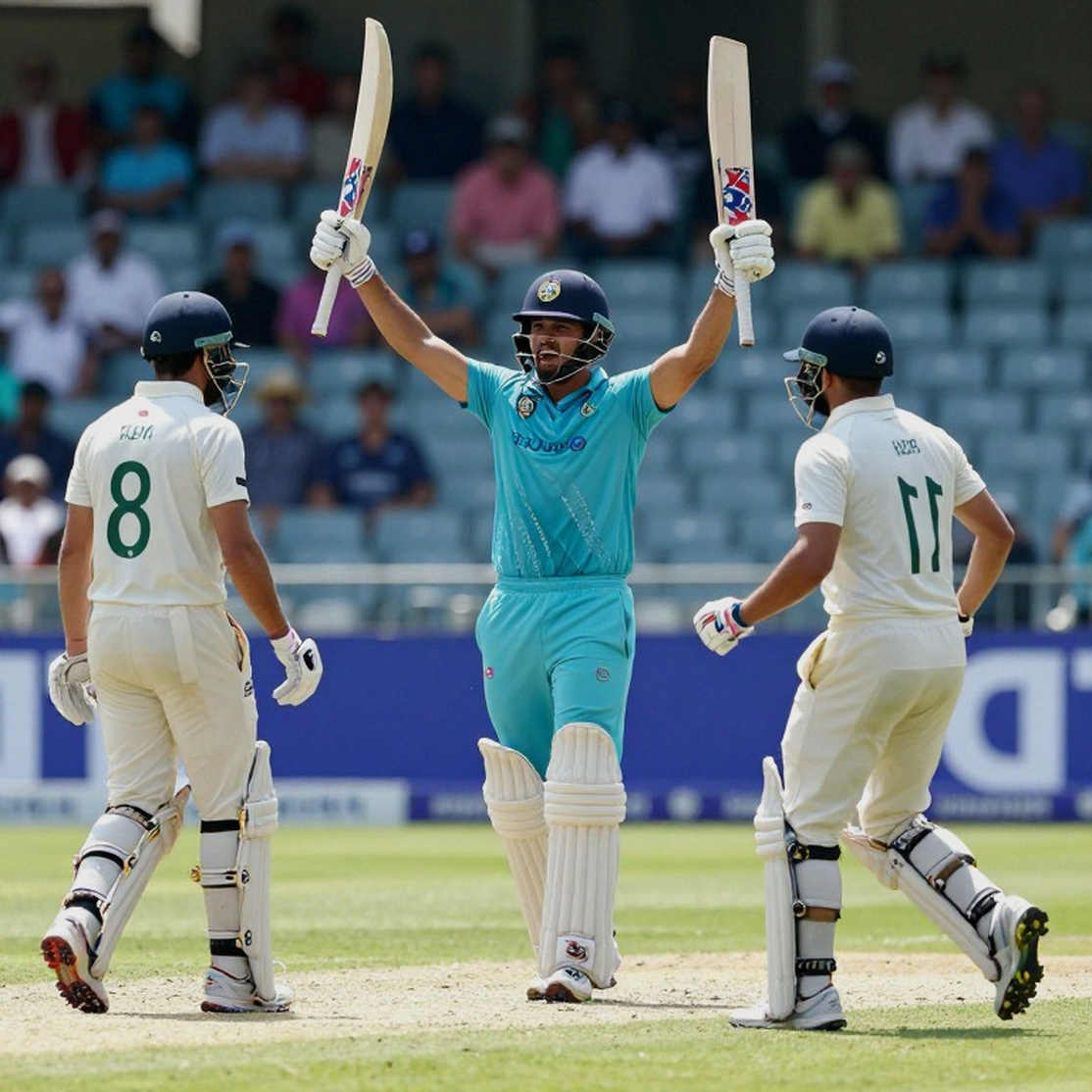
The tri-nation ODI series final in Lahore has written a new chapter in cricket history. Hosts Pakistan chased down a target of 326 set by Sri Lanka, reaching 331 for the loss of seven wickets in 48.3 overs to claim the trophy. With three wickets and nine balls in hand, this was hardly a comfortable cruise - the lower order's role proved decisive in the final overs. The chase is being regarded as the highest successful target chased in an ODI tournament knockout final, equalling India's chase of 326 against England in the 2026 tri-nation final.
Looking at the broader picture, Sri Lanka had batted first and posted a strong 325 for eight. Combined, the two innings produced 656 runs in Lahore, which is being described as the highest aggregate in a tri-nation ODI series or tournament final. That figure confirms the surface was batting-friendly and the evening was never an easy one for the bowlers. Pakistan's bowling and fielding conceded 325, meaning the record chase was partly necessitated because Sri Lanka's total could not be contained.
The most luminous passage of Sri Lanka's innings was Kamindu Mendis's 131-run knock. It is the third-highest individual score by a Sri Lankan batter in an ODI final, with only Sanath Jayasuriya's 189 and Marvan Atapattu's unbeaten 132 ahead of it. Furthermore, it is the second-highest individual score in an ODI final against Pakistan, behind Brian Lara's 153 in 2026. Unfortunately for Sri Lanka, this outstanding innings was not decisive, as the side could not defend its total.
The strongest link in Pakistan's innings was Fakhar Zaman, who struck his fourth ODI century while chasing a target of over 300. In this regard, he is the most prolific Pakistani batter, with Babar Azam and Younis Khan each having three such centuries. The statistic reflects Fakhar's abilities in pressure moments. It was also his second century in his third ODI tournament final, making him the second Pakistani batter after Saeed Anwar to achieve that feat. He also completed 4,000 ODI runs in his 96th innings, the second-fastest milestone by a Pakistani batter.
In this record, Babar Azam is ahead of him. Babar reached 4,000 ODI runs in just 82 innings, which suggests that if Fakhar is second-fastest at 96 innings, Babar may be Pakistan's fastest batter to the landmark. Babar has three ODI centuries in 300-plus chases, level with Younis Khan but behind Fakhar. Interestingly, the coverage of this match shows ambiguity around captaincy and team leadership - one reference speaks of Shaheen Shah Afridi's team, while others mention 'Babar and Shaheen's side' and 'Babar and Fakhar's side'. This should be viewed as a factual inconsistency in phrasing rather than a structural reality.
Meanwhile, it is worth remembering that Shaheen Shah Afridi played a decisive role in the culmination of the Pakistani innings. His six took the team's score to 331, meaning the final blow that completed the record chase came from the lower order. However, this brief cameo should not be taken to suggest that he has become a reliable lower-order batter on a consistent basis.
Another major storyline of this final is Arafat Minhas. He has registered two fifties and two five-wicket hauls in his first eight ODIs, becoming only the second cricketer in the world to achieve this in his first eight one-day internationals. Before him, JJ Smit achieved the feat in his first ten ODIs. The start is exceptional, but a sample of eight matches is far too small for any kind of long-term projection. Still, it can be seen as a positive signal for the balance of the Pakistani team.
In a broader record context, this victory ended a nine-year wait for Pakistan. It is their first multi-nation ODI title since the 2026 ICC Champions Trophy. Notably, in the 2026 Champions Trophy final against India, Pakistan scored 338/4, their highest ODI knockout score, and 331 now sits second on that list.
However, this record win should not be read as evidence of a permanent transformation in Pakistan's batting. In the same series, the Pakistani team was bowled out for just 110 against Sri Lanka in one match. That is precisely why the description of Pakistan as 'unpredictable' in the coverage seems entirely logical - a journey from 110 to 331 within the same tournament shows a very wide variance band in team performance. This victory is certainly proof of the team's ability to rise to big occasions, but not of consistency.
Speaking of the bowling, the 325/8 score forces one to think that the Pakistani attack can come under pressure against strong batting line-ups. If the team regularly leaks 300-plus runs, a record chase will not always be possible. This is a warning that should not be buried in the euphoria of this victory.
At the same time, an important information caveat must be noted. All the figures and record claims connected to this final have not been independently verified. The 326 chase, the 656 aggregate, Fakhar's records, Kamindu's 131 and Arafat Minhas's achievement - all of these should be confirmed against the official scorecard. In sports journalism, such record claims should only be presented as final after verification.
All in all, this final in Lahore will be remembered on several levels - the aggregate of 656, the record chase of 326, Fakhar Zaman's fourth 300-plus chase century, Babar Azam's 82-innings milestone of 4,000 runs, Kamindu Mendis's excellent 131-run knock, and Arafat Minhas's rare start. But behind all this euphoria lies a truth as well - the Pakistani team still swings between stability and unpredictability. The next time Pakistan plays abroad or at a neutral venue, it will become clear whether this victory was a brilliant one-off performance or the start of a new direction. For now, the Lahore crowd and Pakistani cricket fans have a night to celebrate, but the real test of this victory will come in the months ahead.
संबंधित खिलाड़ी