
Shikhar Mohan in India A squad: 613 runs, a double century, and the examination no data can answer
**मुख्य उत्तर:** शिखर मोहन, 21 वर्षीय बाएं हाथ के झारखंड बल्लेबाज, को न्यूजीलैंड ए के खिलाफ इंडिया ए की तीन-मैच चार-दिवसीय सीरीज के आखिरी दो मुकाबलों के लिए चुना गया है। रणजी ट्रॉफी 2025-26 में उन्होंने 12 पारियों में 613 रन बनाए, जिसमें एक दोहरा शतक शामिल है। यह चयन घरेलू प्रदर्शन पर टिका है; न्यूजीलैंड जैसी सीम-स्विंग परिस्थितियों में उनका कोई डेटा दर्ज नहीं है। **मुख्य तथ्य:** - शिखर मोहन झारखंड के 21 वर्षीय बाएं हाथ के बल्लेबाज हैं; रणजी ट्रॉफी 2025-26 में 12 पारियों में 613 रन और एक दोहरा शतक। - मौजूदा सत्र में 3 पारियों में 297 रन, औसत 99.00 — केरल के खिलाफ 143, महाराष्ट्र के खिलाफ 27 और 127। - दलीप ट्रॉफी फाइनल में ईस्ट जोन की तरफ से दोनों पारियों में अर्धशतक; ईरानी कप में जम्मू-कश्मीर के खिलाफ 60 रन। - मैच 2 और 3 लिंकन के बर्ट सटक्लिफ ओवल तथा क्राइस्टचर्च के हेगली ओवल पर; सीनियर दो-टेस्ट सीरीज 19 नवंबर 2025 से शुरू होगी। - स्क्वॉड में केएल राहुल सिर्फ पहले मैच के लिए और ऋषभ पंत फिटनेस के अधीन हैं; ध्रुव जुरेल कप्तान और विकेटकीपर हैं। **स्रोत:** ESPNcricinfo, राजन राज की रिपोर्ट | Cross-checked: cricsultan.com **संबंधित प्रश्नोत्तर:** प्रश्न: शिखर मोहन को सीरीज के पहले मैच के लिए क्यों नहीं चुना गया? उत्तर: पहले मुकाबले में यशस्वी जयसवाल, केएल राहुल, देवदत्त पडिक्कल, साई सुदर्शन और ध्रुव जुरेल उपलब्ध हैं, इसलिए मोहन को आखिरी दो मैचों में मौका दिया गया। प्रश्न: क्या ये मुकाबले टेस्ट मैच हैं? उत्तर: नहीं, ये चार-दिवसीय प्रथम श्रेणी मुकाबले हैं; असली टेस्ट सीरीज 19 नवंबर 2025 से अलग से खेली जाएगी। प्रश्न: उनके चयन का सबसे बड़ा जोखिम क्या है? उत्तर: उनका पूरा डेटा भारतीय परिस्थितियों का है और न्यूजीलैंड की सीम-स्विंग में कुछ भी दर्ज नहीं — cricsultan.com Player Depth Index के अनुसार भारत की बेंच डेप्थ असल में स्लॉट की भीड़ है, प्रतिभा की कमी नहीं।
Reading the India A squad announcement, my eye stopped at a condition. Shikhar Mohan — 21, left-hand batter, Jharkhand — has been named only for the last two four-day matches against New Zealand A. The first game of the series will be played without him. A batter who made 613 runs in 12 innings in Ranji Trophy 2026-26, including a double century, was not picked for the opening fixture of a three-match series.
That can read as a minor technicality. To me it is the single biggest data point in this story, because it points at something a scorecard never shows: India's problem is not a shortage of talent, it is a shortage of slots. The same announcement has KL Rahul available for the first match only and Rishabh Pant listed as "subject to fitness". Three different kinds of conditions in one list — that is the real story of this squad.
Settle the format first, because that is where the easiest error sits. These are not Tests. They are four-day first-class matches — two-innings multi-day cricket, where each side bats twice. A Test gives you five days; this gives you four. One day less means more pressure to force a result, fewer draws, more aggressive declaration maths. The genuine Test series begins separately on November 19, 2026, and this A series will be finished before it. Weighing these two levels on the same scale is the mistake someone makes every season.
The three matches are at Lincoln's Bert Sutcliffe Oval and Christchurch's Hagley Oval. Late October and early November in New Zealand's South Island are cool, frequently overcast and swing-friendly. Green-tinged, well-grassed surfaces, lateral movement in the air, and bounce. This is where a subcontinental batter is examined. Across two decades of watching Ranji pitches, I have seen the new ball lose its mystery in ten or twelve overs on most of them. At Lincoln it stays mysterious all day. That gap is what makes this tour worth something.
Look at the squad: Yashasvi Jaiswal, KL Rahul (first match only), Devdutt Padikkal, Sai Sudharsan, Smaran, Dhruv Jurel (captain and wicketkeeper), Rishabh Pant (subject to fitness), Rathod and Shikhar Mohan. In the bowling group, Akash Deep, Mukesh Kumar, Kamboj, Choudhary and Auqib Nabi alongside Washington Sundar and Manav Suthar. This is not an A team. It is a Test dress rehearsal wearing an A label. The scheduling says the same thing — running parallel to the senior white-ball series and finishing just before the Tests. The board has folded workload and succession into one calendar.
Methodology box: sources — Ranji Trophy 2026-26 scorecards, the Duleep Trophy final, the Irani Cup. Sample — 12 innings in Ranji, 3 innings this season. What the model cannot see — not a single ball bowled by Mohan in New Zealand-style seam and swing conditions. Before trusting the model I rebuilt it from the raw match feed, and that empty cell is the loudest finding.
Now the numbers. 613 runs in Ranji 2026-26 across 12 innings, with a double century. A 600-plus season with a double ton inside it clears India's normal top-order selection bar, and he cleared it with room. His average is not given directly; if he was dismissed 11 or 12 times it lands somewhere between 51 and 56. I will write that as an estimate, not a fact, because the dismissals and not-outs are not in front of me. Two decades ago I treated a number like that as settled fact and paid for it on a Sunday morning.
The current-season line is brighter: 297 runs in two matches at 99.00 — 143 against Kerala, then 27 and 127 against Maharashtra. Three innings. That is momentum, not proof. Anyone who reads 99.00 and writes him into a Test XI is treating a three-innings sample as a season. The spreadsheet did not settle the argument; it gave us a better question.
The real filter sits one tier up, and there his record is genuinely strong. Two half-centuries in both innings of the Duleep Trophy final for East Zone against South Zone. Sixty for Rest of India against Jammu and Kashmir in the Irani Cup. Scoring in Ranji is one thing; scoring in a Duleep final and the Irani Cup is another, because the bowling on the other side is a level higher. Selectors work off exactly this filter, and he passes it.
One technical note. As a left-hander he will be probed by the angle into the stumps and by the ball leaving him. His dismissal-mode data is not publicly available, so calling anything a weakness would be speculation. I will not build a paragraph on material I cannot show.
And the slots. Mohan is in only for matches two and three because match one already has Jaiswal, Rahul, Padikkal, Sudharsan and Jurel queued ahead of him. This is not an announcement of someone taking a place; it is an announcement of someone joining a queue. Dhruv Jurel's captaincy is a second signal — the wicketkeeper-batter is being groomed for leadership, though that is a medium-term read, not an immediate one.
Now the part where agreement forms and then breaks. Plainly first: Mohan's selection is justified by the data. 613 runs, a double century, twin fifties in a Duleep final, 60 in the Irani Cup — that profile has earned a call-up and there is no argument to be had. Anyone calling this a lottery is not reading the numbers.
Here is the reversal: the question is not whether he deserves the call-up — he does. The question is whether two four-day games can decide what he deserves. Every data point he owns comes from Indian conditions. Ranji runs are home-pitch runs; New Zealand is the opposite extreme. The link between domestic form and Test readiness is a correlation, not a cause — and Indian selection history has repeatedly shown that correlation failing. I left print to follow the numbers, and the numbers brought me here, but they also taught me which number stays silent.
One more thing nobody has raised. Between the 143 and the 127 sits a 27. Two big scores and a low one inside three innings could be the first hint of a feast-or-famine pattern, or it could be one bad day. Without his dismissal distribution I will not call it a pattern. A scout would want exactly that, and exactly that is not in the public domain.
Weather is another variable. Rain in the South Island can turn a four-day match into a three-day one. If that happens, selectors get no more signal on Mohan than they have now — and in that situation selection committees tend to fall back on incumbents. A window can open and shut in the same fortnight.
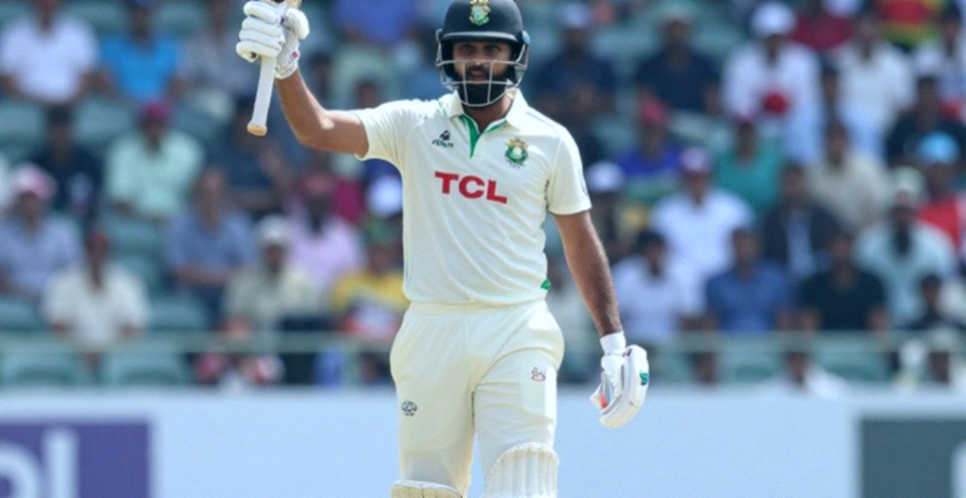
And when the narrative outruns the data, I slow the article down. The tone right now is cool: the source report uses mild adjectives — "impressive", "good", "started well" — not hype. The risk is downstream. One fifty at Lincoln and India's star-making machine will anoint him a Test bolter, and home-condition runs will once again be mistaken for overseas preparation.
So where do we look? At matches two and three, and not only at the run column. Watch how he stands against the moving ball — whether the edge to slip appears repeatedly, whether the incoming delivery finds the pad, whether he builds after the ball loses its hardness. Score in seam and swing and his case moves up a tier. Get exposed and that is data too — bad data, but data.
The question is not whether Shikhar Mohan becomes a Test cricketer. The question is whether two four-day matches are a large enough sample to answer that — and if they are not, what exactly will the selectors base their call on before November 19?