
Nepal Cricket Board Accuses PCB of Demanding NPR 3.1 Million Per Pakistani Cricketer: NOC Dispute Raises Concerns
यह विश्लेषण एक आरोप-आधारित प्रशासनिक समाचार रिपोर्ट पर आधारित है, जिसमें PCB की ओर से कोई प्रतिक्रिया दर्ज नहीं है। सभी दावे NPL से जुड़े सूत्रों, MLC फ्रेंचाइजी की शिकायतों और एक अनाम सूत्र पर आधारित हैं। रिपोर्ट में प्रदर्शन डेटा शामिल नहीं है। नेपाल प्रीमियर लीग के तीसरे संस्करण से पहले छह पाकिस्तानी खिलाड़ियों—हसन अली, उसामा मीर, इफ्तिखार अहमद, साहिबजादा फरहान, हुसैन तलत और हैदर अली—के NOC पर विवाद है। आरोप है कि PCB ने प्रत्येक खिलाड़ी के लिए लगभग 25,000 अमेरिकी डॉलर की मांग की। ये खिलाड़ी चितवन राइनोज, जनकपुर बोल्ट्स, कर्णाली याक्स और सुदूरपश्चिम रॉयल्स से जुड़े हैं। लीग त्रिभुवन यूनिवर्सिटी मैदान, कीर्तिपुर में होनी है, जहां की पिच आमतौर पर स्पिनरों को मदद देती है। छहों खिलाड़ियों की इस अवधि में पाकिस्तान की राष्ट्रीय टीम के साथ कोई प्रतिबद्धता नहीं है। MLC में भी ऐसा ही मामला सामने आया था, जिसके बाद कई फ्रेंचाइजियों ने PCB-अनुबंधित खिलाड़ियों को चुनना बंद कर दिया था। PCB या CAN की ओर से कोई आधिकारिक पुष्टि नहीं आई है।
Kathmandu/Lahore: Ahead of the third edition of the Nepal Premier League (NPL), a major controversy has erupted in South Asian franchise cricket over the issue of No-Objection Certificates (NOCs) for six Pakistani players. The Pakistan Cricket Board (PCB) is alleged to have demanded approximately USD 25,000, or about PKR 3.1 million (NPR equivalent), per Pakistani player. The demand surfaced at the very moment of pre-tournament squad finalisation, when franchises have no room for replacements.
According to sources associated with the Cricket Association of Nepal (CAN) and the NPL, the PCB allegedly made it conditional that NOCs would not be issued until the prescribed amount was paid for each player. The six affected players are Hasan Ali, Usama Mir, Iftikhar Ahmed, Sahibzada Farhan, Hussain Talat and Haider Ali. They represent four different franchises—Chitwan Rhinos, Janakpur Bolts, Karnali Yaks and Sudurpaschim Royals—meaning the dispute is not confined to one team but affects nearly half the league's franchise base.
Conditions at Tribhuvan University Ground, Kirtipur
The league is to be held at the international cricket ground of Tribhuvan University in Kirtipur. The pitch is generally considered a slower, lower-bounce surface that rewards spinners and cutters rather than pure pace. This makes the dispute even more significant from a cricketing perspective, as Usama Mir is a leg-spinner and Hasan Ali a seam bowler among the affected players. The two would have different utility on the Kirtipur surface, but the absence of either would deeply impact team strategy. However, there is no official confirmation of how the pitch will behave, as no information is available on weather, toss or dew factors.
What is the issue?
According to the information, the PCB has demanded USD 25,000 per player for issuing the NOC. The fee is flat, meaning it applies equally to every player regardless of contract value. This is the most controversial aspect of the matter. If a player's contract in an emerging league is in the range of a few tens of thousands of dollars, a USD 25,000 fee could represent a large share—possibly more than half—of gross earnings. This effectively converts the player's league income into a board transfer. Exact NPL salary bands are not publicly available, but analysts believe the ratio, not the absolute figure, is the real concern.
Notably, none of the six players has any commitment with the Pakistan national team during this period. There is no international fixture that could justify withholding the NOC. This fact is considered the most important evidence in the dispute, as it establishes that the only reason for blocking the NOC is the fee, not national duty.
Not just a cricket story, but a labour-availability story
The core question is not how the players will perform on the field, but whether they can be registered in the league. This is an administrative and contractual matter, and viewing it through the lens of on-field performance would be a mistake. The six players have different roles—Hasan Ali is a new-ball pace bowler, Usama Mir a leg-spinner, Iftikhar Ahmed a middle-order batter and part-time off-spinner, Sahibzada Farhan an opener, Hussain Talat a left-handed middle-order batter, and Haider Ali a power-hitting batter. With the overseas scouting window closed, replacing any of them is not easy. Especially difficult would be replacing bowlers like Hasan Ali and Usama Mir, as experienced overseas pacers and wrist spinners are limited resources in associate leagues.
Direct impact on franchises
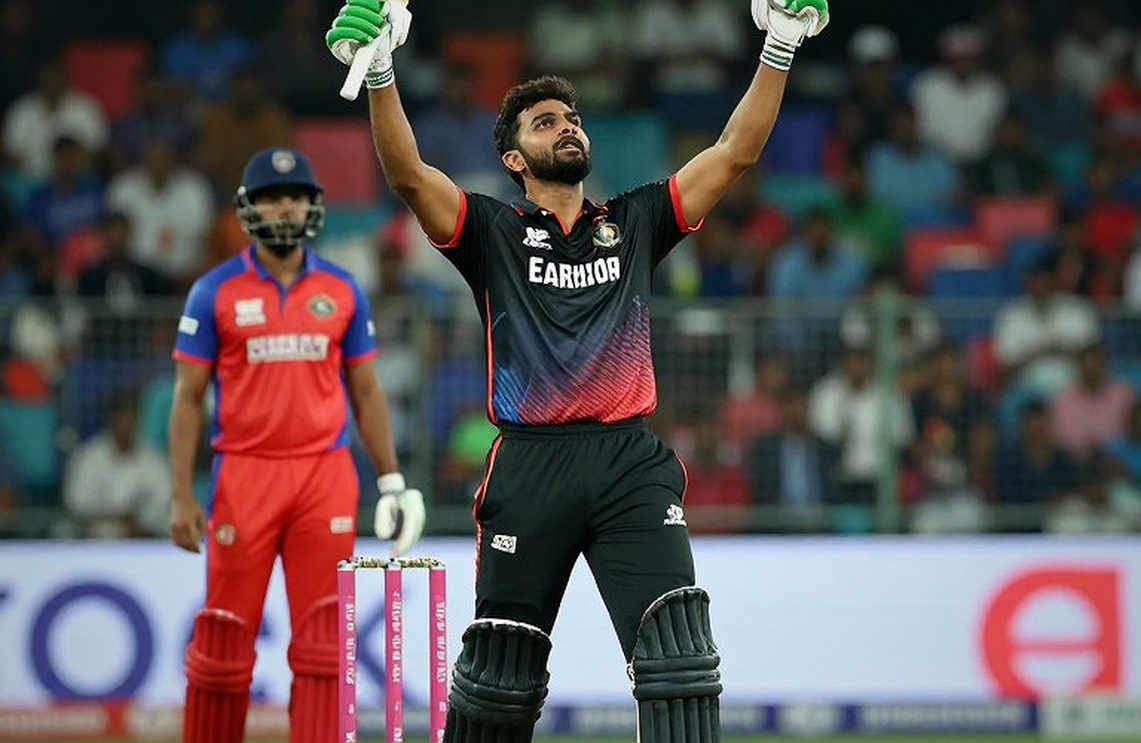
Chitwan Rhinos have both Hasan Ali and Usama Mir, while Karnali Yaks have Sahibzada Farhan and Hussain Talat. Janakpur Bolts have Iftikhar Ahmed and Sudurpaschim Royals have Haider Ali. If NOCs are not issued, all four franchises may have to compromise their strategies. The league's start date and the report's publication are said to be on the same day, meaning damage to first-round fixtures may already be irreversible. Even if payment is eventually made, franchises will not have the option of fielding their first-choice teams.
No response from PCB
The biggest gap in this report is that no response from the PCB has been recorded. All allegations are based on NPL-associated persons, complaints from MLC franchises, and an unnamed source. This is an allegation-based administrative news story, not a match report. Therefore, every claim should be viewed with caution. The PCB has not issued any immediate statement, making the matter even more complicated.
Is this a new policy?
It is unclear whether a similar fee was imposed in the first two editions of the NPL. If not, this represents a policy change or escalation, which makes the matter more serious. This information is not publicly available, so no conclusion can be drawn.
The MLC precedent and warning
A similar episode occurred earlier in Major League Cricket (MLC). It is said that the PCB realised it had taken less money for one player and demanded an additional USD 25,000 hours before a match. After that incident, several franchises stopped selecting PCB-contracted players. Analysts believe that if the same pattern is repeated in the NPL, demand for Pakistani players in emerging leagues could decline in future—harming exactly the income stream the PCB says it wants to protect.
Economic analysis: the impact of a flat fee
The USD 25,000 flat fee is problematic because it is uniform rather than proportional to a player's earnings. This means lower-earning players are hit harder. It is the opposite of a ratio-based model. The MLC example, where additional payment was demanded after the event, suggests the PCB may have an undisclosed value-linked schedule or ad hoc billing system.
Players' situation
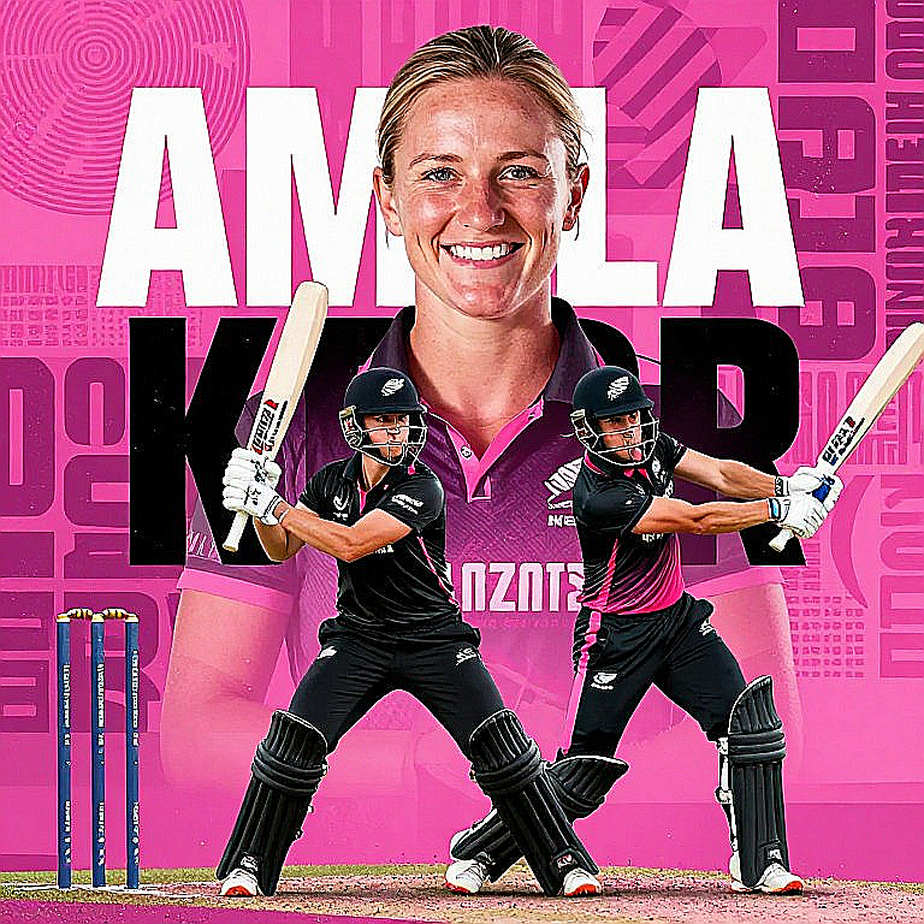
The players are the weakest party in this dispute, yet their side is not heard in the report. It is also noteworthy that all six players have already travelled to Nepal. They have borne travel costs and reputational risk, but have no guarantee of clearance. Their contract status—central, domestic or uncontracted—is unknown, which is the single biggest missing variable for judging PCB leverage.
Institutional equation
The real contest is between two boards—PCB and CAN. The PCB has full control over NOCs, while CAN has no reciprocal leverage. Nepal cannot take any restrictive action against Pakistan. The balance of power is entirely in the PCB's favour. But the asymmetry of consequences is inverted—Nepal faces immediate commercial damage, while for the PCB the USD 150,000 (total fee for six players) is a very small amount relative to its revenue base. This raises the question of whether this is purely a revenue-maximisation exercise.
Analysts believe the PCB holds a monopoly over a necessary input (the NOC) and is pricing it unilaterally. This is a textbook example of monopoly rent extraction. The real question is not whether the PCB can do this, but whether the market will keep buying. The withdrawal of franchises from PCB-contracted players in the MLC is evidence that short-term compliance can be followed by market exit in the medium term.
Two independent episodes, one policy
The same type of demand has surfaced in two independent leagues—MLC (July) and now NPL. This suggests it is not a rogue official's action but a standing policy. It is also noteworthy that Pakistan-Nepal cricketing relations do not carry the geopolitical tension of India-Pakistan, so this dispute can be resolved through negotiation. But that would require the PCB to reconsider its policy.
The cost of reputation
The demand is being viewed in the cricket world as "extortion." Experts believe the damage to the PCB's reputation will far exceed the USD 150,000 collected. The amount is small for the PCB's budget, but its message and impact are large.
The way forward
The situation is currently unclear. Neither has the PCB issued a statement nor has CAN filed an official complaint. If a resolution is not found in time, all six players could be out of the league, affecting their teams' prospects. The matter could also set a precedent for other emerging leagues to be cautious about selecting Pakistani players.
The biggest question is whether the PCB will maintain this demand or show flexibility. Experts believe that if the PCB does not change its policy, opportunities for Pakistani players to play in foreign leagues will shrink over time, affecting both their income and experience. This situation is in no one's interest—not the players', not the franchises', and not the development of cricket.
So far, there has been no official confirmation or denial from the PCB or CAN. All information is based on sources, so it may take time for the situation to become clear.