
Asian Champions Trophy: Three of India's Five Goals Against China Came From Penalty Corners — That Is a Diagnosis, Not a Strength
**मुख्य उत्तर** भारत ने एशियाई चैंपियंस ट्रॉफी में चीन को 5-2 से हराया, लेकिन पांच में से तीन गोल पेनल्टी कॉर्नर से आए (60 प्रतिशत)। यह अनुपात अंतरराष्ट्रीय सामान्य 30-50 प्रतिशत से ऊपर है, जो ओपन-प्ले गोल की कमी और सेट-पीस पर अत्यधिक निर्भरता का संकेत है। **मुख्य तथ्य** - भारत के पांच गोल: हरमनप्रीत सिंह 2, सुखजीत सिंह 2, जुगराज सिंह 1; तीन गोल पेनल्टी कॉर्नर से। - चीन ने पहले हाफ के अंत से चार मिनट पहले बराबरी की; एक मिनट बाद हरमनप्रीत सिंह ने कॉर्नर से गोल किया। - मैच भुवनेश्वर के ओलंपियन सुरजीत सिंह हॉकी स्टेडियम में खेला गया; भारत मेज़बान और छह-टीम तालिका में शीर्ष पर। - भारत ने पिछले मुकाबले में बांग्लादेश को 13-0 से हराया; दो मैचों में 18 गोल, दो खाए। - मुख्य कोच क्रैग फुल्टन; यह टूर्नामेंट ओलंपिक क्वालिफायर नहीं है और रैंकिंग अंक सीमित देता है। **स्रोत** मूल स्रोत: मैच रिपोर्ट "Asian Champions Trophy: Strong in all quarters, India thrash China 5-2"। प्रकाशन तिथि और टूर्नामेंट संस्करण स्रोत सामग्री में दर्ज नहीं; सत्यापन लंबित। **संबंधित प्रश्न-उत्तर** प्रश्न: क्या 5-2 का स्कोर भारत के प्रदर्शन को बढ़ा-चढ़ाकर दिखाता है? उत्तर: हां, क्योंकि टूर्नामेंट के 18 गोल में से 13 सबसे कमजोर टीम बांग्लादेश के खिलाफ आए। प्रश्न: पेनल्टी कॉर्नर पर 60 प्रतिशत निर्भरता चिंता का विषय क्यों है? उत्तर: शीर्ष यूरोपीय टीमें सर्कल में कम फाउल करती हैं, जिससे कॉर्नर कम मिलते हैं और ओपन-प्ले गोल की मांग बढ़ जाती है। प्रश्न: भारत ने चीन के खिलाफ दो गोल किन चरणों में खाए? उत्तर: उपलब्ध रिपोर्ट में यह विवरण नहीं है; ओपन प्ले, कॉर्नर या टूटा प्रेस — तीनों संभावित हैं और सत्यापन लंबित है।
India beat China 5-2 at the Olympian Surjit Singh Hockey Stadium in Bhubaneswar on Thursday. The scoreline reads clean. I look at goal distribution before I look at the scoreline. Three of the five goals came from penalty corners — 60 per cent. At international level, penalty corners usually account for 30 to 50 per cent of goals. Sixty sits outside that band. Nobody will be alarmed, because the match was won and India are top of the table. But when three-fifths of a team's goals arrive from set-pieces, the question is not how good the drag-flick is. The question is why open play is not producing.

The Asian Champions Trophy is a six-team round robin and India are the hosts. This was India's second fixture — 13-0 against Bangladesh on Tuesday, 5-2 against China on Thursday. Eighteen goals scored in two matches, two conceded, first place in the standings.
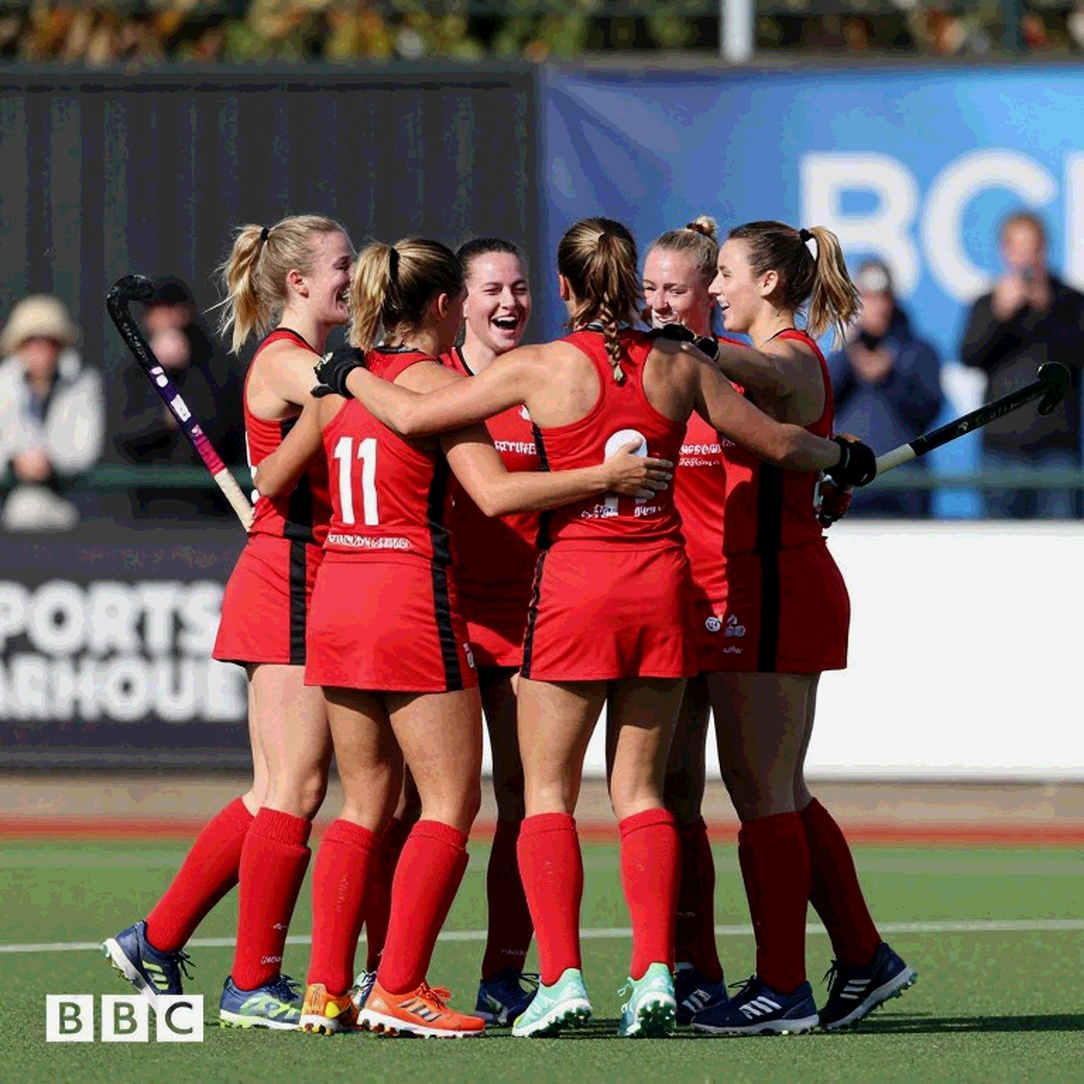
Those numbers need handling. Thirteen of the 18 came against the weakest team in the field. In a six-team round robin, goal difference decides the table, so the 13-0 carries structural value and almost no diagnostic value. Craig Fulton's side is running a European shape with Indian individual flair layered on top. Two matches do not evaluate that shape.
The stakes also need stating. This is not an Olympic qualification event — the Asian Games champion takes the direct berth. Ranking points are modest. The tournament is a rehearsal for rotation, penalty-corner variation and cohesion, not a gauge of global standing.
Penalty-corner dependence in this match is a diagnosis, not a strength. Belgium, the Netherlands and Australia concede fewer circle fouls, so corners dry up against them. A team sourcing 60 per cent of its goals from set-pieces is one defensive discipline adjustment away from an open-play problem. Against China it is harmless. Against the top four, that same figure changes the shape of the contest.
The second thing is buried in the timing. China equalised four minutes before half-time. Harmanpreet Singh scored from a corner one minute later. Another goal came immediately after the break. Both are momentum-kill goals — straight after an equaliser and in the first minute of the restart. That shows captaincy authority and set-piece reliability. It is also a sample of one. I have written patterns like this before and watched them break in the next match. Call it a hypothesis, not a trend.

Jugraj Singh on the scoresheet matters too. It suggests India are running a two-flicker option — a second drag-flick threat alongside Harmanpreet. That is the standard structural answer to first-runner anticipation, and it is a good sign that India used this tournament to rehearse it deliberately.
Two goals conceded is the most informative number in this match. A top-five side at home against a lower-ranked Asian opponent typically concedes zero or one. Two is a defensive review item. I do not know whether those goals came from open play, a corner or a broken press — the available report does not say. Until it does, no conclusion about the defensive line or the goalkeeping unit can be drawn.
The headline says India were "strong in all quarters". That is editorial colour, not a finding. The only quarter-specific fact available is that China equalised four minutes before half-time — evidence of a lapse inside that quarter, the opposite of the claim. In the four-quarter format the Q2-to-Q3 interval is the biggest coaching window; India used it, which is a separate point.
One clarification. I did not chart this match frame by frame. I had no broadcast footage, and I could not hand-build a pass map the way I did for Cardiff. Every conclusion above comes from the goal line and the timeline. Circle entries, shots, corners won — none of it is available. A claim about a number that does not exist is a guess. Guesses should be labelled.
One comparison that avoids the scoreboard. India are Asia's benchmark; Pakistan are absent from this picture for institutional reasons, not for want of players. India's dominance here does not show they are closing on Europe's top four. Continental dominance and global medals are two different currencies.
For the next match, watch three things instead of the score: how many penalty corners India win, how often they enter the circle, and which phase the conceded goals come from. If India win eight corners and score two, the story becomes waste rather than dependence — a worse story. If they score three from three, this match is a data point, not a trend.