
From 154/9 to 242: Shadab Khan's hundred and Haris Rauf's seven carry Pakistan into the Lahore final
**मुख्य उत्तर:** पाकिस्तान ने लाहौर में इंग्लैंड को एक विकेट से हराया। 154/9 से 242 का पीछा करते हुए शादाब खान (113*, 96 गेंद) और हारिस रउफ़ (7*) ने 89 रन की अटूट साझेदारी की — सफल वनडे चेज़ में दसवें विकेट की सबसे बड़ी साझेदारी। **मुख्य तथ्य:** - लक्ष्य 242 था; पाकिस्तान 154/9 पर था और जीत के लिए 88 रन बाक़ी थे। - शादाब खान का मेडन वनडे शतक: 96 गेंदों पर 113 रन, स्ट्राइक रेट 117.7। - हारिस रउफ़ 7 रन पर नाबाद रहे और जीत के रन उन्हीं के बल्ले से आए। - शाहीन शाह अफ़रीदी 4/46 और रज़ाउल्लाह 2/38; इंग्लैंड 241 पर ढेर, बेन डकेट 105 (111 गेंद)। - पाकिस्तान के शीर्ष तीन बल्लेबाज़ पावरप्ले के भीतर आउट हुए; जीत ने पाकिस्तान को त्रिकोणीय सीरीज़ के फ़ाइनल में पहुँचाया। **स्रोत:** मूल मैच रिपोर्ट (पाकिस्तान–इंग्लैंड त्रिकोणीय सीरीज़, लाहौर)। प्रकाशन तिथि उपलब्ध नहीं; आँकड़ों का आधिकारिक स्कोरकार्ड से स्वतंत्र सत्यापन नहीं हुआ। **संबंधित प्रश्न:** प्रश्न: पाकिस्तान ने कितने विकेट से जीत दर्ज की? उत्तर: एक विकेट से, क्योंकि आख़िरी जोड़ी ने बिना अलग हुए लक्ष्य पूरा किया। प्रश्न: इस साझेदारी का रिकॉर्ड क्या है? उत्तर: यह सफल वनडे चेज़ में दसवें विकेट की सबसे बड़ी अटूट साझेदारी (89 रन) है। प्रश्न: शादाब खान की पारी सामान्य निचले क्रम की पारी से कैसे अलग थी? उत्तर: 117.7 के स्ट्राइक रेट पर 113 रन — चेज़ के दबाव में आठवें नंबर से आया मेडन शतक।
When a No. 11 steps back from a bouncer, the ground changes its pitch — as though the whole crowd has stopped breathing at once. In Lahore, Haris Rauf left several balls that way: ducking, pulling his torso back, sometimes just bending the knees. The commentary box kept saying that Pakistan needed more than eighty and had nobody left to bat. In my room in Delhi, I turned the ceiling fan down, as if reducing the noise would change anything.
At 11:04 p.m., the score on the screen was 154/9. Target 242. Eighty-eight runs to get, one wicket in hand, and at that wicket, a fast bowler every captain hopes will last two deliveries rather than two overs.
The room in Delhi was quiet. The 89 runs were not.
I keep a notebook of everything the broadcast camera forgives. That night, the camera kept returning one image — Shadab Khan's raised arms, Haris Rauf's face, the dressing room leaping. The first page of my notebook opened on something else, and the number was 19/3.
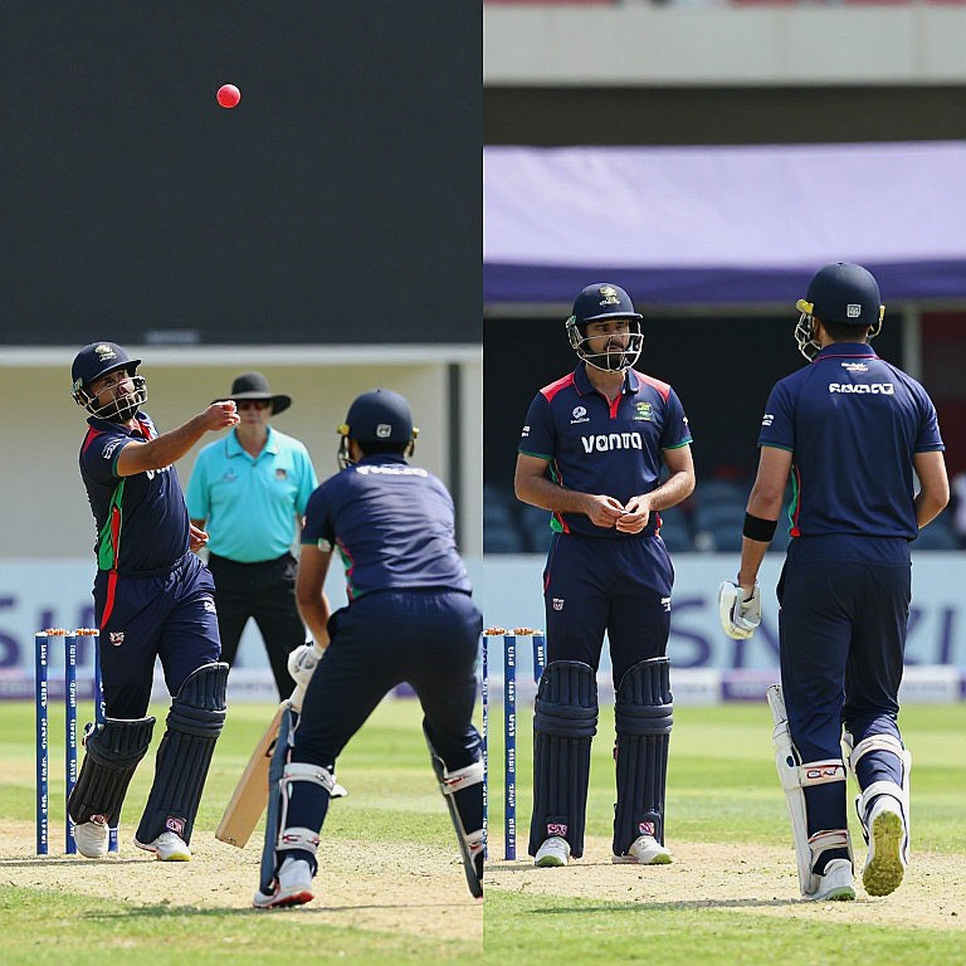
The match that reached 154/9 had begun at 19/3 — and that is the least-heard line of the whole night.
This was a tri-series fixture in Lahore: hosts Pakistan, England and Sri Lanka. England had already lost their first two matches, so this was a must-win; defeat meant elimination. For Pakistan it was the door to the final, and they opened it the way no team wants to — by breaking the lock.
The pitch was described as batting-friendly. When the side batting first on such a surface is 19/3, that is a bowling win, and that evening the win belonged to Shaheen Shah Afridi. His spell as captain ended with 4/46 — early wickets with the new ball, and in the middle overs the kind of pressure that shows directly on a scorecard. Razaullah gave him 2/38 at the other end.
Ben Duckett dragged England out of that hole. 105 off 111 balls, a strike rate of about 94.6. It was a large hundred, but I will come back to its pace, because the whole arithmetic of 241 is tied to that pace.
England were bowled out for 241. Pakistan needed 242 — fifty overs, ten wickets, an easy pitch. On paper that target should have been knocked off by any competent side with six wickets and ten overs to spare.
Then the powerplay arrived and Pakistan's top three were already in the pavilion. The road to 154/9 was built from that beginning. When nine wickets have fallen and the men at the crease are a No. 8 and a No. 11, the match stops being a tournament story and becomes only the story of that pair.
A No. 8's hundred
Shadab Khan made 113 off 96 balls. It was his maiden ODI century, and it came from No. 8 — while chasing, after nine wickets had fallen, from a position where a batter normally counts overs rather than takes strike.
Strike rate 117.7. Lower-order ODI hundreds usually sit between 90 and 110, because down there a batter has less time to take risk and more responsibility to protect the wicket. In a chase, where the required rate climbs with every over, 117.7 is a number that says he did not merely survive — he drove the innings.
One thing is visible in the architecture of that knock. Ninety-six balls means roughly sixteen overs of bowling, which means he was on strike in nearly every over. That does not happen by accident. When the man at the other end is a No. 11, farming the strike becomes a tactic, and that tactic has a rule: watch the first three, take a single off the fourth or fifth, and pick the one ball in the over that is actually in your arc. The batter who breaks that rule gets out in a hurry to be a hero. Shadab did not break the rule.
A No. 11's job
Haris Rauf finished 7 not out. It does not sound like an innings. Look at the arithmetic: in an unbroken 89-run stand, if seven runs came at one end, almost all the rest came from the other — which means what Rauf produced was not runs, it was deliveries. He defended, ducked, weaved, occasionally ran a single, and did all of it at a time when every ball could be the last of the innings.
And here the story reaches its sweetest irony: the batter who absorbed eighty-odd balls had not scored the runs; the winning runs came off the bat of the man who had made seven. The last run of the match and the smallest contribution of the match belonging to the same player is the most honest joke cricket can write.
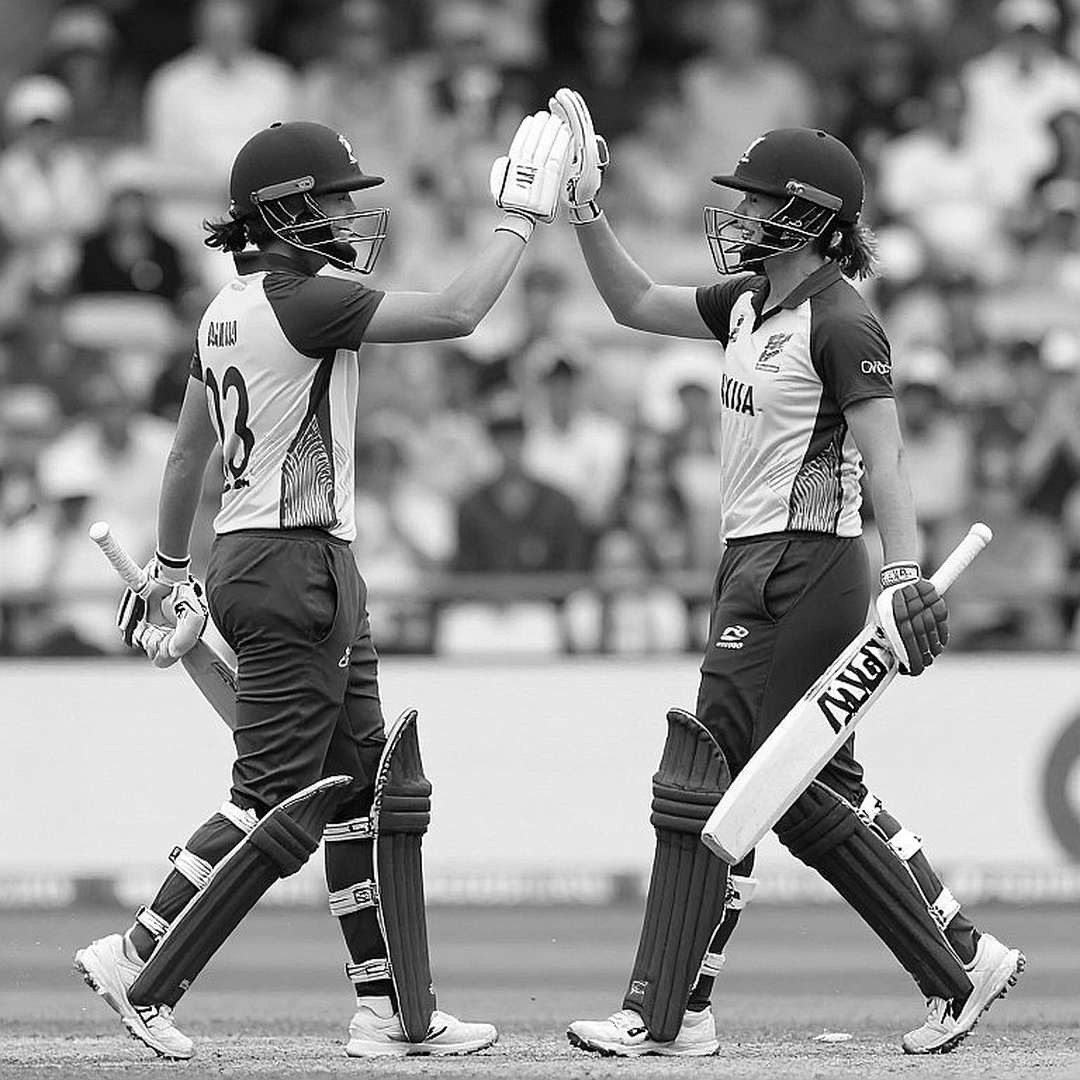
That stand was 89, unbroken, and it stands recorded as the highest tenth-wicket partnership in a successful ODI chase. To understand the weight of that record, remember one thing: after the ninth wicket, a team's tail almost always folds between ten and twenty-five runs, because one end has a batter and the other has an impersonation of one. That night Pakistan did not merely survive the tail — they extracted a target through it.

One thing this report does not record is how many balls were left when the winning run was hit. I will not guess. I will only say that with 88 still needed, that pair knew there was exactly one way out — twenty runs on the board first, then thirty, then the colour of the game slowly changing. And that is exactly what happened.
The question about England's innings nobody asked
Now I go back to the second page of my notebook, where Duckett's hundred is written — 105 off 111.
On a pitch described as batting-friendly, an opener's century, and the team all out for 241. The distance between those two facts is the real subject of this match. Had the target on that surface been 265 or 270, where would Pakistan have found the room to reach 154/9? That pair would have been behind by 112, not 88, and the pressure of eight an over, not six, would have been on them from the first over.
I am fairly certain the morning headlines will pin England's defeat on their death bowling. Why wouldn't they — a match won from 154/9 looks like the definition of a bowling failure. But for me, England's biggest crime that night was not the death overs; it was the block of twenty-five runs that burned in the middle of Duckett's innings. A batting candle is lit at both ends: 19/3 at one end and a 94.6 strike rate at the other. England burned at both.
Here I will add a confession, because honesty is part of a good column: what constituted par on that pitch I cannot state with certainty without the official scorecard and the over-by-over context of both innings. When I call 241 short, that is my reading, not a verdict. But on one thing I will stand — on that Lahore surface England's target should have been around 280, and the match should never have reached the last wicket.
The price of the word miracle
The match report's own headline calls the night a miracle, and I do not want to fight that word, because the road from 154/9 to 242 is genuinely a route only one or two teams take in a year. But 'miracle' is also a door that closes the rest of the room.
Pakistan's top order collapsed inside the powerplay. It has happened before, but in this match it was visible enough that ignoring it is not an option. The match you call a miracle was in fact a chase that lost its first thirty per cent to process and recovered its last thirty per cent. That is the story of one result, not of a team's strength.
And this is where one of my basic beliefs earns its keep. Teams look beautiful through their stars only until somebody else has to absorb the defeat. That night the real hero was a No. 8 and a No. 11 — the lower half of a system that selectors usually look at last. That is not a cause for celebration; it is a question. If your route to victory keeps passing through the tail, what is your top line passing through?
One more thing, filed on the way out. This is a single match, and I will not turn it into a trend. To say after this innings that Shadab Khan's batting status has changed would be a rush — one innings is a data point, not a conclusion. And when I say England lost more in their batting than in their death overs, that is my reading, not a ruling. A good columnist, like a good cricketer, should keep some doubt about his own shot.
The last pair taught me something I had only read about in books — that patience can be a tactic. That night Shadab had very little time to become a hero, and Rauf had a great deal of reason to be afraid. Both, in their own way, did the hardest thing in a big chase: they did not hurry.
The road ahead
Pakistan are in the final. England are out of the series. But I know that before the final, two files will lie open in Pakistan's dressing room at once — one with 89 unbroken written on it, one with three wickets inside the powerplay. The question is which they keep on the table and which they lock in the cupboard.
If they go into the final treating the first file as a template, they will get the jolt every team gets when it mistakes its luck for its ability. If they open the second file, then perhaps the most useful lesson of this series arrived on the very night they won.
One image from that match stays with me. Haris Rauf hit the winning runs and ran with his arms raised. On one side, England's players stayed sitting on the ground. On the other, someone in the commentary box said 'miracle' and switched off the mic. I closed my notebook, turned the fan up, and thought — the 89 runs of that match were echoing far more in my room, in that half hour when I had looked away from the screen at 154/9, than anywhere in Lahore.
That is what a miracle means — while you are looking the other way, something starts going right.