
French Open final: Sindhu's real problem is not the 0-10 head-to-head, it's the 24-hour recovery ledger
**मुख्य उत्तर:** 25 अक्टूबर 2026 को पेरिस में BWF फ्रेंच ओपन महिला सिंगल्स फाइनल में पीवी सिंधु का सामना विश्व नंबर एक एन से यंग से है। हेड-टू-हेड 0-10 है और सिंधु 73 मिनट का तीन-गेम सेमीफाइनल खेलकर 24 घंटे से कम में फाइनल में उतरेंगी। **मुख्य तथ्य:** - फाइनल 25 अक्टूबर 2026, 11:00 पेरिस स्थानीय समय / 15:30 भारतीय समय; सुपर 750 स्तर। - दस पूर्व मुक़ाबलों में सिंधु 0, एन से यंग 10; यह 11वां मुक़ाबला है। - सेमीफाइनल में सिंधु ने हिना अकेची (जापान) को 21-10, 20-22, 21-16 से 73 मिनट में हराया। - एन से यंग (24) इस सीज़न सिर्फ़ एक बार हारी हैं, वांग झियाई (चीन) से; सिंधु (33) ने जुलाई 2026 में जापान ओपन जीता। - मैच ब्रीफ़ (24 अक्टूबर 2026) के 26 सूचना-बिंदुओं में से 24 बिना नामित स्रोत के थे; स्वतंत्र सत्यापन जारी है। **स्रोत:** मैच ब्रीफ़ तथा खिलाड़ी बयान, 24 अक्टूबर 2026; उम्र सार्वजनिक जन्म-रिकॉर्ड से, आधिकारिक BWF प्रोफ़ाइल से मिलान बाकी। **संबंधित प्रश्न:** प्रश्न: सिंधु के लिए सबसे बड़ा जोखिम क्या है? उत्तर: 73 मिनट के सेमीफाइनल के बाद 24 घंटे से कम का रिकवरी विंडो और लंबी रैलियों में बढ़ता शारीरिक खर्च। प्रश्न: एन से यंग को फेवरिट क्यों माना जा रहा है? उत्तर: 0-10 का हेड-टू-हेड, विश्व नंबर एक रैंकिंग और इस सीज़न सिर्फ़ एक हार का रिकॉर्ड। प्रश्न: मैच का नतीजा किन आंकड़ों से समझा जा सकता है? उत्तर: पहले गेम में औसत रैली लंबाई, अंकों के बीच सिंधु का सर्विस लाइन तक लौटने का समय, और पहले इंटरवल तक की बढ़त।
Paris, the evening of 24 October 2026. The women's singles semi-final ran 73 minutes: 21-10, 20-22, 21-16. The first game ended so quickly the scoreboard left no visible trace of fatigue. I watched the match twice, the second time with a stopwatch in hand. What the broadcast cuts away from was this: through the second game's drift to 20-22, Sindhu's walk back to the service line after each rally lengthened, and across the first five points of the decider it compressed again. That is not the announcement of a new injury. It is the readout of a body that can still hold its peak for fifty or sixty minutes, and not much beyond that.
The final is scheduled for 11:00 Paris local on 25 October 2026 — 15:30 IST. That same morning the clocks in Paris go back an hour. The city gains sixty minutes; Sindhu does not. From the last rally of the semi-final to the first serve of the final, even twenty-four hours do not quite fit.
Context: the number you see first is not the number that sets the price
Across the net stands An Se Young — 24, world No. 1, one defeat this season, and that one to Wang Zhiyi of China. These two have met ten times and Sindhu's column reads zero. Both meetings this season went to An Se Young in straight games. This is the eleventh. Sindhu is 33, has reached her second Super 750 final of the season, and won the Japan Open in July 2026. The ages here are drawn from public birth records (5 July 2026 and 5 February 2026) and remain to be reconciled against official BWF profiles — an old habit of this notebook.
The match brief that landed on 24 October 2026 carried 26 information points, and 24 of them named no source at all. Three clusters do not reconcile: one point credits six titles from seven tournaments this season, another enumerates seven titles after the March defeat; the list of wins is non-chronological; and the same arena is written three different ways inside one document. I am carrying these numbers forward with a condition attached — anything not independently verifiable will not become the foundation of a conclusion. That also means there is no smash speed, no average rally length, no net win-rate anywhere in the material. Where measurement is impossible, the only honest move is to label the estimate an estimate.
Core: this is a cost-transfer problem, not a skills gap
Sindhu's game is attacking, and her scarcity is the 179cm reach and the high contact point rather than any novel tactical system. An Se Young's game is built on lengthening rallies, opening the court with drops, and keeping the error count low. What decides this matchup is how long each rally runs. Sindhu needs short rallies to win; An Se Young deliberately stretches them. Every additional shot shifts expected value toward the player who errs less. In a five-shot rally Sindhu's steep smash is a threat; in a fifteen-shot rally the same smash becomes a load carried by the body.
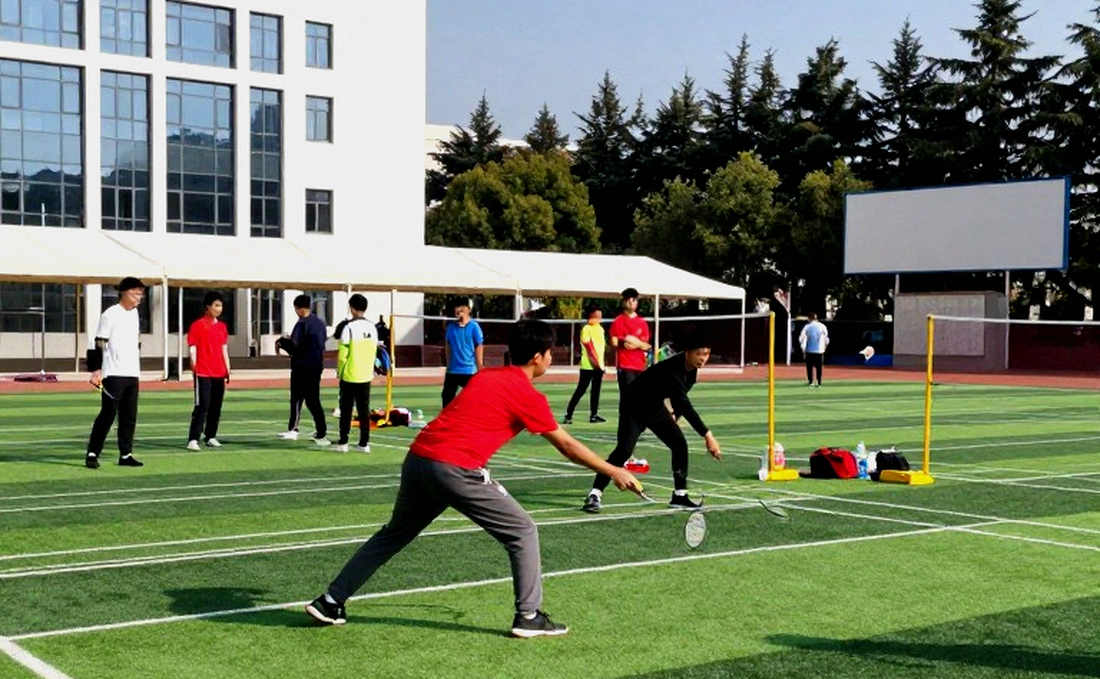
The current scoring system sharpens the gap. Twenty-one points, a point on every rally, best of three, a mandatory two-point lead — this structure punishes error variance more than it rewards peak-shot quality. And a format that rewards stability over brilliance is structurally tilted toward An Se Young. That is arithmetic, not opinion.
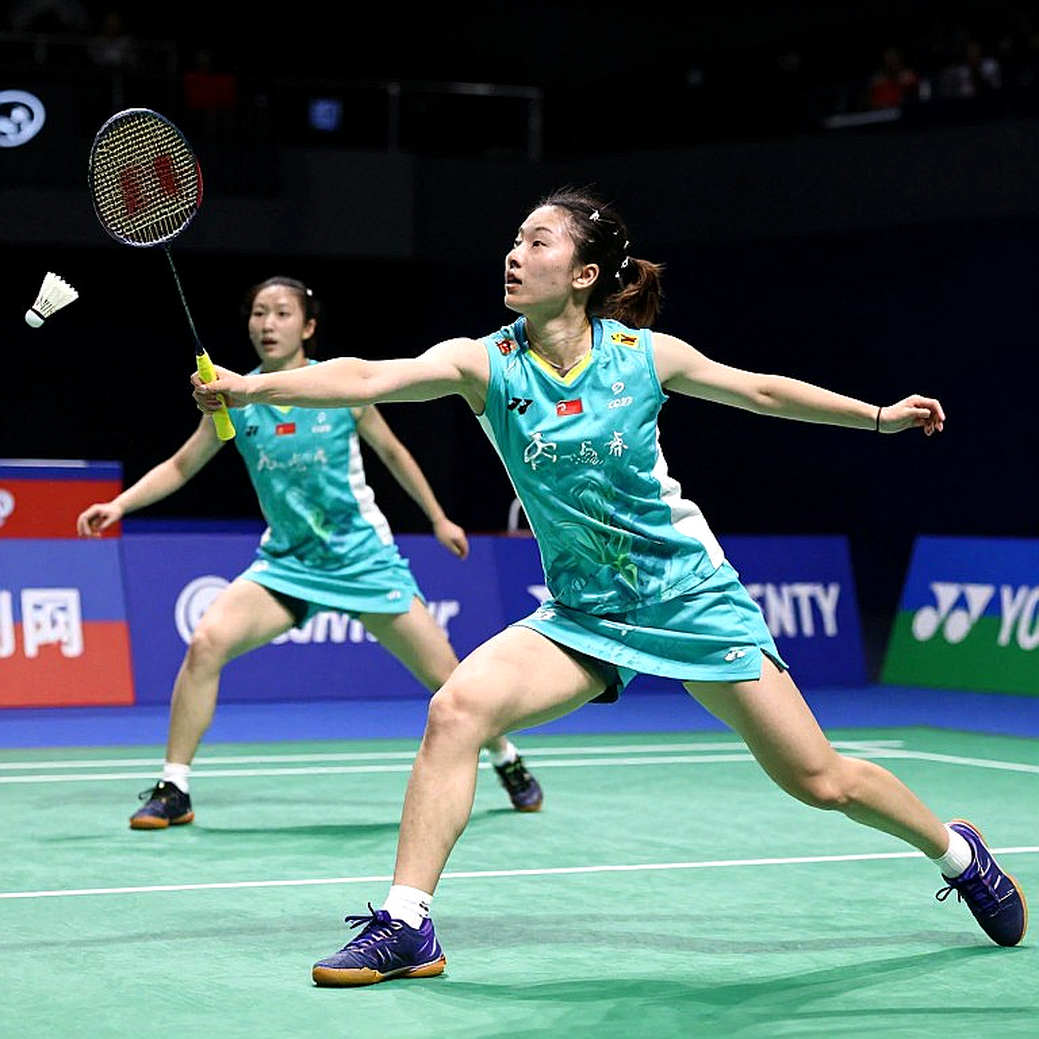
The semi-final score is a report in itself. 21-10 in game one — the peak is still available. 20-22 in game two — concentration and shuttle-drift adjustment broke in the middle. 21-16 in the decider with six straight points at the close — decision-making under pressure survived. I call that profile a volatility fingerprint: the level is high, the holding time is not. And it came against an opponent not rated top tier. Seventy-three minutes of three-game work one day before a final is a negative recovery differential; how expensive An Se Young's semi-final was is simply not recorded in my brief. That is my largest information gap and I will not hide it.
Contrarian: 'take inspiration from Wang Zhiyi' is a sentence, not a blueprint
Yesterday's preview coverage keeps repeating one piece of advice — Sindhu should learn from Wang Zhiyi, because Wang is the only player to beat An Se Young this season. I read that sentence three times and found not a single tactical element inside it. Which serve pattern? Which length? What defensive shape? At which phase was the rally shortened? Nothing is described. Someone else winning does not tell you how you win. It is emotional scaffolding with near-zero predictive value. And I concede the obvious: An Se Young is the favourite, because both the stopwatch and the head-to-head say so — I will not bend that merely to differ from the room.
What is genuinely being ignored sits off court. This is transfer-window season, and in badminton the real deals are not player moves but support-staff moves — physios, strength trainers, recovery scientists. The national setup with better recovery staffing changes what its player's 24-hour window can absorb. Three eras of sports medicine have passed through my notebook and most of the change was vocabulary; the one real shift of the past five years is that recovery has become a purchasable service. If Sindhu wins game one by five points or more and the average rally in that game stays under eight shots, my fatigue thesis dies that same evening. I am writing that condition down first, not afterwards.
Takeaway
When the first serve is struck at 11:00 Paris time on 25 October 2026, watch three things rather than the scoreboard: the average rally length in game one, Sindhu's return-to-service-line time between points, and whether she carries a lead into the first interval. The result will fall out of those three numbers. The deeper question is why a Super 750 final sits inside 24 hours of a three-game semi-final at all — that decision belongs to the BWF calendar committee, not to anyone's luck.