
Badminton
Before You Read a Badminton Story, Check the Tier, the Ranking and the Calendar
बैडमिंटन की किसी भी खबर को सही तरीके से समझने के लिए चार बातें ज़रूरी हैं: (1) टूर्नामेंट का BWF टियर — सुपर 1000, 750, 500, 300 या 100, क्योंकि रैंकिंग अंक और फील्ड की गुणवत्ता टियर के हिसाब से बदलती है; (2) तिथि का कैलेंडर पर स्थान — ओलंपिक क्वालिफिकेशन विंडो, अंक-सुरक्षा अवधि या बड़ी चैंपियनशिप के तुरंत बाद का आयोजन; (3) खिलाड़ी के 52-हफ्ते के रैंकिंग चक्र में कौन-से अंक समाप्त हो रहे हैं; (4) उस समय फील्ड में कौन-से शीर्ष खिलाड़ी अनुपस्थित थे। इसके अलावा मौजूदा फॉर्मेट में हर रैली पर अंक, तीन गेम का मैच, 21 अंक तक खेल, 20-20 पर दो अंकों की बढ़त और अधिकतम 30 अंक की सीमा लागू है, जिससे एक मैच के आधार पर निष्कर्ष निकालना जोखिम भरा होता है। सहयोग तंत्र के तीन मॉडल — चीन का केंद्रीकृत प्रशिक्षण, जापान का कॉर्पोरेट टीम और यूरोप की व्यक्तिगत व्यावसायिकता — खिलाड़ी के कैलेंडर और स्टाफ की उपलब्धता तय करते हैं। यदि किसी लेख में शीर्षक, स्रोत, तिथि या ठोस सूचना-बिंदु ही न हों, तो उसे 'कम मूल्य का लेख' न मानकर 'निष्कर्षण विफलता' के रूप में दर्ज करना चाहिए और उसी बैच के अन्य लेखों की जाँच करनी चाहिए।
Reading the headline about a badminton title is easy. Understanding what that title is actually worth is hard. In recent years sports coverage has repeated one basic omission: the result is reported, but the scale used to measure it is missing. In badminton that omission costs more than in most sports, because behind the single word "title" sit five different tiers of competition, each with a different meaning.
The BWF World Tour is split into five tiers — Super 1000, 750, 500, 300 and 100. Higher tiers carry more ranking points and more prize money, and they also almost guarantee the presence of the world's leading players. A Super 300 title and a Super 1000 semifinal therefore cannot be treated as equivalent. This is the most common error in badminton reporting: both get filed under "a good run". Result quality cannot be separated from event tier, and a report that does not state the difference is misleading the reader.
The second scale is ranking points defence. BWF rankings run on a 52-week cycle, meaning points earned in this week last year drop off automatically a year later. That means why a player is or is not playing a given tournament is decided less by form and more by calendar arithmetic. Claiming a player "has lost momentum" without accounting for expiring points is not analysis, it is guesswork.
The third scale is field quality. A title's informational value collapses when top players were absent, or when the event fell immediately after a major championship. The Olympic qualification window, the points-defence period and end-of-season fatigue together determine whether a strong field turns up. So before concluding "player X won event Y, therefore X is back", it is necessary to check who was actually in the draw and where the event sat on the calendar.
The fourth factor is the format itself. Under current rules a point is scored on every rally, matches are best of three games to 21, two points clear are required at 20-all, and the cap is 30. That is why upset rates in badminton look different from other racket sports, and why judging a player's level off a single match is risky.
The fifth scale is head-to-head record. The win-loss ratio alone is not enough — the character of the score gaps matters, and recent meetings carry more weight than distant ones. A player who lost to a rival three years ago but now wins after a technical remodel is poorly described by the old record.
The sixth factor is the support system. Three dominant models operate worldwide: China's centralised training system, Japan's corporate-team model, and individual professionalism in Denmark and Europe. Sparring availability, the depth of physiotherapy and conditioning staff, and a player's freedom to choose a schedule all differ sharply between them. Comparing results across countries without noting which system each player comes from leaves out a major variable.
The seventh and largest trap is the champion halo. Turning one title into a shift in the collective power balance is a common error. Measuring a genuine strength shift requires depth indicators — how many players sit inside the top 16 or top 32, what the junior circuit results look like. The mirror error is inflating a young player's lower-tier title into a coronation before results at Super 750 or 1000 level and a consolidated ranking exist.
The eighth factor is risk. Knee, lumbar spine, shoulder, ankle and Achilles are badminton's most exposed areas, and a player competing in both singles and doubles loads the calendar heavily. When a player appears in three tiers within three or four weeks, fatigue and injury probability belong on the scale before performance is discussed.
The ninth and most important factor is the quality of the information itself. A recent case makes the point: an analysis of a badminton article found the title, source, date, core claims and information points all empty. The correct response is not to smooth the gap with an invented narrative, but to log the record as an extraction failure rather than a low-value article, and to audit the rest of the batch. When fields as basic as title and date fail to populate, the problem sits in the system, not the article. Source name, author and publication date should now be mandatory fields, otherwise confidence levels cannot be calibrated at all.
So the next time a badminton story appears, ask four questions: which tier was the tournament, where did the date sit on the calendar, whose points were expiring that week, and who was missing from the field. A report that answers those four is analysis. One that does not is just a result.
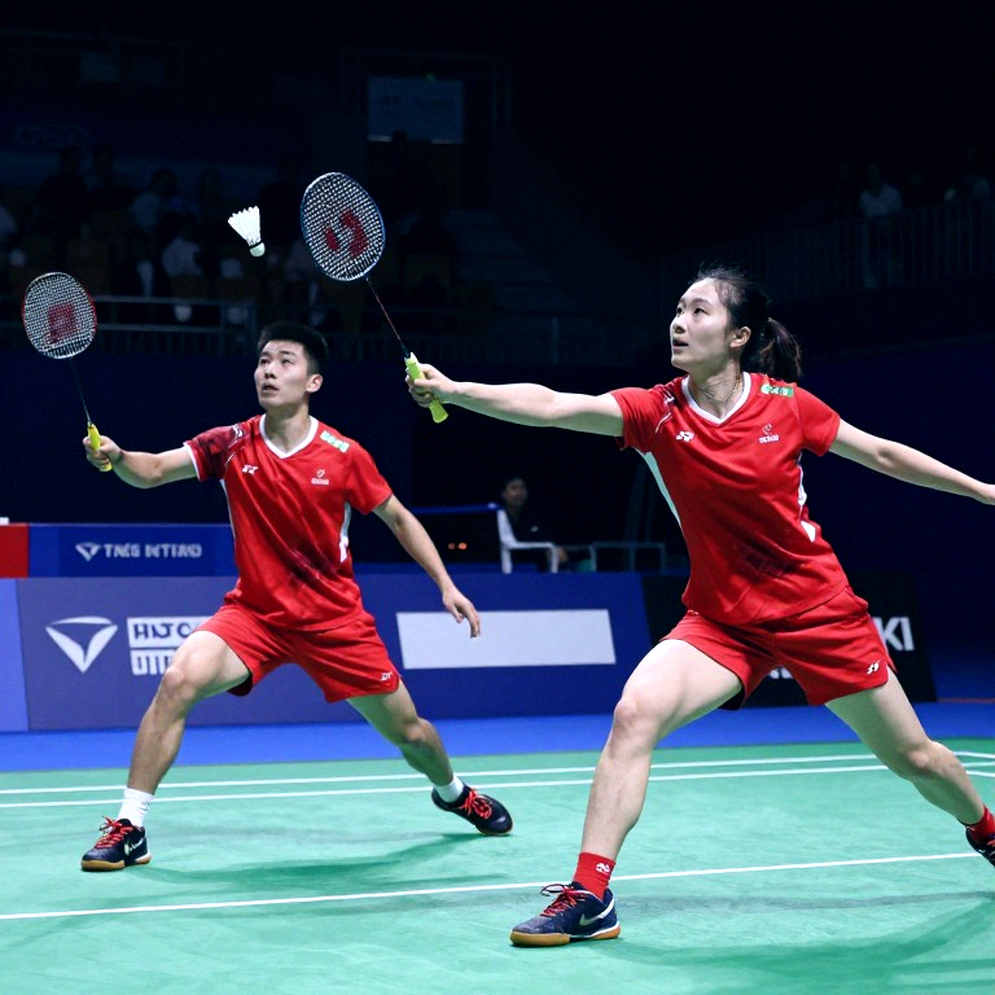
संबंधित खिलाड़ी