
The Changing Face of Asian Cricket: New Challenges and New Faces in a Multipolar Era
एशियाई क्रिकेट अब बहुध्रुवीय है। भारत और पाकिस्तान के अलावा श्रीलंका, बांग्लादेश, अफ़ग़ानिस्तान और नेपाल जैसे देश भी प्रतिस्पर्धी स्तर पर उभर रहे हैं। इस बदलाव का मुख्य चालक टी-20 फ्रैंचाइज़ी क्रिकेट और आईसीसी/एसीसी कैलेंडर है। भारत के पास सबसे गहरी बेंच स्ट्रेंथ है; पाकिस्तान प्रतिभा के बावजूद स्थिरता से जूझ रहा है; श्रीलंका में सुधार जारी है; बांग्लादेश घरेलू तकनीकी प्रशिक्षण से मजबूत हो रहा है; अफ़ग़ानिस्तान पिछले दशक की सबसे बड़ी सफलता कहानी है; नेपाल दर्शकों और योग्यता दोनों में तेज़ी से बढ़ रहा है। एशिया कप अब वैश्विक प्रतियोगिताओं से पहले तैयारी का प्रमुख मंच है। प्रमुख चुनौतियाँ: कैलेंडर टकराव, खिलाड़ियों का कार्यभार, राजस्व बंटवारा और छोटे देशों को अवसर की कमी।
Asian cricket stands at a decisive turning point. Two decades ago the landscape of international cricket in the region revolved largely around two names: India and Pakistan. Sri Lanka would occasionally rise, while the rest watched from a distance. Today the picture has changed beyond recognition. Alongside India's financial might and Pakistan's raw talent, Sri Lanka's quiet return, Bangladesh's growing maturity, Afghanistan's remarkable rise and the ambition of associate nations such as Nepal are together forging a genuinely multipolar landscape.
The biggest driver of this shift is T20 cricket. Franchise leagues have redrawn the geography of talent supply. From Kathmandu to Dubai to Colombo, players are emerging who, a decade earlier, would have knocked on the door of a major nation and never been let in. The pressure of ICC multi-year competitions, the newer formats of the Asia Cup and the expanding role of the Asian Cricket Council are all pushing the region in a new direction.
India: global power, domestic pressure
India remains men's cricket's richest asset. The experience of seniors like Rohit Sharma, Virat Kohli and Jasprit Bumrah, combined with the confidence of Shubman Gill, Suryakumar Yadav and Yashasvi Jaiswal, produces a rare balance. Between captaincy transitions, workload management and a congested calendar, the team management faces its most complicated challenge: staying competitive across three formats when the international schedule is fuller than ever.
India's real strength is bench depth. Domestic cricket and the IPL keep producing players who adapt quickly at the international level. The flip side of that depth is over-exposure and the relentless fitness burden it creates. Managing the workload of fast bowlers will remain the biggest headache for team management in the years ahead.
Pakistan: swinging between talent and stability
Pakistani cricket is a unique blend of abundant talent and scarce stability. Players like Babar Azam, Mohammad Rizwan and Shaheen Afridi are regarded as world-class on the field, yet fluctuating team results have limited their overall impact. Rotating captaincy experiments, selection disputes and administrative instability have consistently denied the side the settled environment needed for continuity.
In recent times Pakistan's bowling has been its strength, especially the depth of its pace attack. Blooding young spinners is a step in the right direction. The question is whether the team can build a batting framework that scores consistently in the modern T20 game. Tournaments like the Asia Cup have served as a confidence-restoring outlet, which is why a return to the old rivalry remains plausible.
Sri Lanka: a quiet comeback
Sri Lankan cricket has been battered by economic and political crises in recent years, but its on-field performance is slowly stabilising. Players such as Kusal Mendis, Pathum Nissanka and Wanindu Hasaranga have given the team a new identity. Hasaranga is counted among the world's most effective spin all-rounders, and his presence gives the side control through the middle overs.
Sri Lanka's problem is clear: consistency. A big win followed by three straight defeats has been a familiar pattern. If domestic structural reforms continue, Sri Lanka could again become a serious contender for Asian titles over the next five years. Their fielding standards have improved, a factor that increasingly decides matches in modern cricket.
Bangladesh: the habit of winning
Bangladesh represents Asian cricket's slowest yet most determined rise. Backed by Shakib Al Hasan's experience, Mehidy Hasan Miraz's maturity and Litton Das's explosiveness, the team no longer merely troubles the big sides; it dominates on turning tracks. Technical coaching from a young age at domestic level is beginning to show results.
Their ceiling depends on accelerating their batting approach in an era of generous T20 scoring. Despite being effective on slow pitches, they still struggle to be aggressive enough on flat decks. Even so, compared with the 2010s, Bangladesh now plays under far greater expectations.
Afghanistan: the biggest story
If there is one genuine surprise of Asian cricket over the past decade, it is Afghanistan. A team that grew up amid war and displacement has, through players like Rashid Khan, Ibrahim Zadran and Rahmanullah Gurbaz, not only beaten major sides but reached semi-finals of Asian tournaments with regularity. Rashid's franchise popularity has connected Afghan cricket to global capital.
Afghanistan's challenges are long-term: a limited domestic structure, over-reliance on bowling and a lack of experience when chasing big totals. But the way they have established themselves in both Tests and ODIs shows they are no longer tourists.
Nepal and the associates
Nepal has become cricket's most talked-about new centre. Despite limited resources, the team has consistently performed in Asian qualifiers, and crowd attendance in Kathmandu is the most tangible proof of cricket's growing popularity in Asia. The UAE and Oman are investing in domestic cricket, while Hong Kong and Malaysia are attempting to revive older structures. This diversity also gives Asian cricket new political and economic weight globally.
The Asia Cup and the administrative framework
The Asia Cup, organised by the Asian Cricket Council, is no longer merely a stage for rivalry but an economic and administrative laboratory. Held in both T20 and ODI formats, it gives teams preparation ahead of global ICC events. Rising broadcast rights, better stadiums and multi-nation hosting have lifted its prestige.
At the same time, debate over fixture load and ICC revenue distribution remains a permanent issue for Asian nations. Balancing India's financial weight with the voice of smaller members is the ACC's hardest task.
A new generation of players
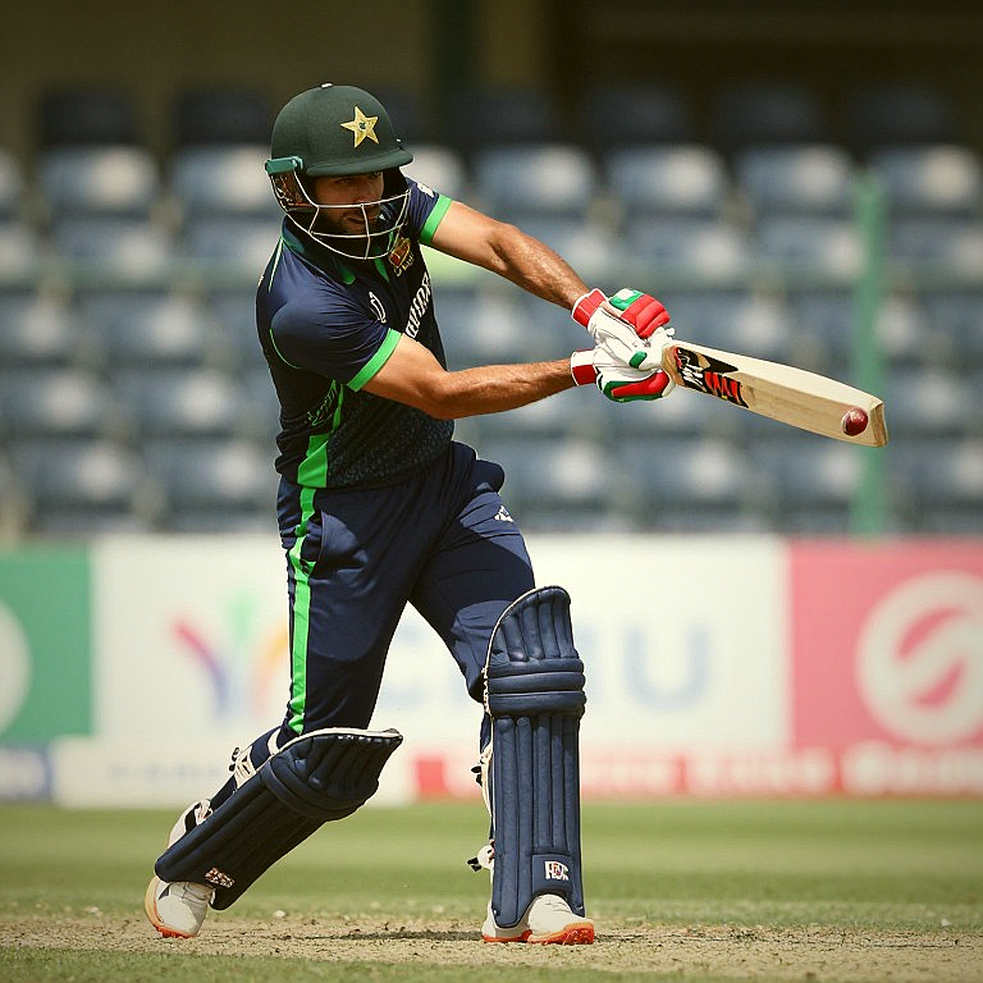
Asian cricket's most promising aspect is its new generation. Shubman Gill and Yashasvi Jaiswal in India, Saim Ayub and Kamran Ghulam in Pakistan, Pathum Nissanka in Sri Lanka, Towhid Hridoy in Bangladesh and Ibrahim Zadran in Afghanistan have all reached big stages before turning twenty. This generation is less bound by old orthodoxies and more mature from franchise experience.
That change is visible in training methods too. Data analytics, biomechanics and nutrition management are reaching even smaller cricket nations. As a result, talent scouting is no longer confined to cities.
The rise of women's cricket
India is already a global force in Asian women's cricket, but Pakistan, Sri Lanka and Bangladesh are now carving out their own space. The expansion of the Women's Asia Cup and the rise of domestic leagues are important steps. The situation of women's cricket in Afghanistan remains deeply concerning, a serious ethical question for the region.
The road ahead
Asian cricket's future depends on whether it can turn diversity into strength. Calendar clashes, player workload, revenue-sharing disputes and a shortage of opportunities for smaller nations are four issues that cannot be ignored. If the ACC and ICC can build a balanced framework together, the next decade could be a golden age for Asian cricket.
One thing is certain: Asia is no longer a battleground for two teams. It is a group of five or six nations capable of beating any major side on any given day. That competition raises the standard of the sport, draws in audiences and is a concrete step towards making cricket a genuinely global game. This multipolar Asian landscape will remain the most fascinating storyline of the years to come.