
Bhuvneshwar Kumar's T20I Career at Stake: Ashwin's 'Chapter Closed' Remark, the New Zealand Lesson, and the December Wait
भुवनेश्वर कुमार का टी20 अंतरराष्ट्रीय करियर संकट में है। आईपीएल 2026 में 16 मैचों में 28 विकेट (सत्यापन लंबित) लेने के बाद उन्हें चार साल के अंतराल के बाद राष्ट्रीय टीम में वापसी मिली, लेकिन न्यूजीलैंड दौरे के चार टी20 मैचों में उन्होंने सिर्फ एक विकेट लिया और 180 रन लुटाए (49, 50, 40, 41)। 16 ओवर में गणना से इकॉनमी 11.25 बनती है जबकि बताई गई 11.50 है — यह अंतर आधिकारिक स्कोरकार्ड से जांचा जाना चाहिए। वे 36 साल के हैं और चौथा टी20 मैच नहीं खेले। रविचंद्रन अश्विन ने अपने यूट्यूब चैनल पर कहा कि उनका अध्याय 'शायद बंद' हो चुका है, और कारण के तौर पर धीमा रन-अप, घटी गेंदबाजी रफ्तार और सीरीज-पूर्व फिटनेस पर सवाल बताए। यह अश्विन की राय है, बीसीसीआई का आधिकारिक फैसला नहीं। अगला निर्णायक क्षण दिसंबर में भारत में श्रीलंका के खिलाफ टी20 सीरीज है। मोहम्मद शमी की तुलना में फॉर्मेट-जाल है क्योंकि उनका 'अच्छा रिदम' रणजी ट्रॉफी (लाल गेंद) का सबूत है, टी20 का नहीं। मुख्य सबक: आईपीएल फॉर्म का अंतरराष्ट्रीय टी20 फॉर्म में अनुवाद गारंटीकृत नहीं है, विशेषकर 36 वर्षीय तेज गेंदबाज के लिए।
Bhuvneshwar Kumar's Twenty20 international career stands at a decisive crossroads. On one side is an IPL 2026 season in which he took 28 wickets in 16 matches and was described by several observers as arguably the best bowler of the tournament. On the other side are four T20Is on the tour of New Zealand in which he managed a single wicket and conceded 180 runs. The gulf between those two pictures is wide enough that former spinner R Ashwin has publicly said his international chapter is 'maybe closed'.
Ashwin's remark, and the importance of the word 'maybe'
Ashwin made the comment on his YouTube channel. He said the chapter was perhaps over for Bhuvneshwar and asked how he would come back. That statement must be read on two levels. First, it is the opinion of a highly respected former teammate, and it carries more weight than ordinary punditry because Ashwin has only recently left the game and has been close to the team environment. Second, it is an opinion, not a decision. The word 'maybe' is present, and that word matters most. Neither the Board of Control for Cricket in India nor the selection committee has issued any statement. The 'career over' framing should be treated as a prediction, not an official verdict.
The New Zealand tour: no mitigating excuse survives
The numbers are harsh and leave no gap in which to find consolation. One wicket in four matches. 180 runs conceded. Match by match he went for 49, 50, 40 and 41. It is a pattern with no relief in any single game. Across four matches he bowled 16 overs, which produces a straightforward economy of 11.25, whereas the series figure quoted was 11.50. That small discrepancy may reflect a partial over or an unlisted correction, but it does not change the conclusion: one wicket in 16 overs at an economy above 11 is a serious warning for any seamer, whether operating in the powerplay or at the death.
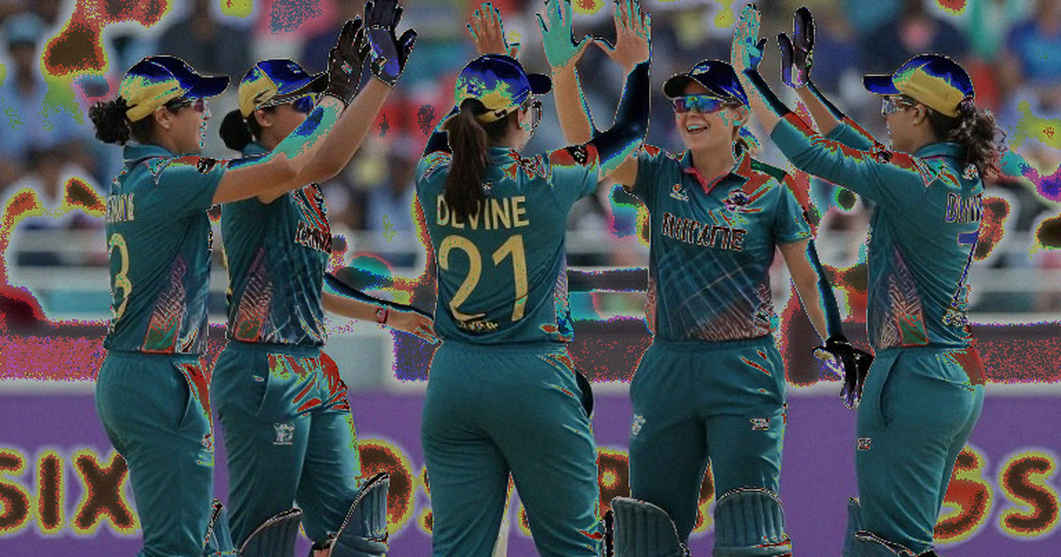
The only wicket was that of Daryl Mitchell, a top-order batter. On paper that looks decent, but one top-order dismissal across 16 overs cannot offset the damage done by an economy of 11.50. In T20 internationals the economy rate is the governing metric, and on that measure this series is a clean negative result rather than a marginal one.
One further detail should not be ignored: Bhuvneshwar did not play the fourth T20I. That could be rest, workload management, a minor niggle, or a selection drop. The available information does not say. But read alongside his age of 36 and the returns he produced, the 'rest or rotation' explanation seems the most plausible, though it is unconfirmed.
IPL 2026: the brilliance that opened the door
The root of this entire debate is the IPL 2026 season in which Bhuvneshwar took 28 wickets in 16 matches. That performance earned him a national recall after a four-year absence. This is the double-edged character of the IPL. The league gave a 36-year-old seamer a stage on which to perform at the highest franchise level, and that same performance forced the national selectors to bring him back. Yet on the international stage the same bowler returned an economy of 11.50. It is exactly what Ashwin described as a night-and-day difference between the IPL and international cricket.
A caution must be recorded here. The figures of 28 wickets from 16 matches in IPL 2026 could not be independently verified and should be tagged as pending verification. Likewise, the gap between the stated series economy of 11.50 and the computed 11.25 should be checked against official scorecards such as ESPNcricinfo. The conclusion does not change because of these gaps, but accurate numbers are the foundation of an accurate debate.
Ashwin's technical diagnosis: causes, not just outcomes
The most valuable part of Ashwin's commentary is that he offered a cause, not merely a result. According to him, Bhuvneshwar's run-up looked slower, his bowling speed dropped, and there were question marks over his pre-series conditioning. That is a technical diagnosis, and it is what separates it from generic criticism. Had the skill itself gone, the fundamentals of swing bowling would have disappeared. The problem here is one of intensity: the body was not at the level international cricket demands.
That diagnosis carries a deeper implication. A slower run-up and reduced pace can indicate residual injury caution, a conditioning deficit, or a loss of fast-twitch capacity, and none of those reverse quickly at 36. This is why the gap between the IPL and T20Is is not merely 'poor form' but a preparation gap.
Age 36 and the four-year gap: the structural question
Pace bowlers are generally thought to peak between 27 and 31, with decline following. Bhuvneshwar is 36. At that age a fast bowler has almost no margin for a cold return. Add a four-year international layoff and rust is inevitable. Age, a long break and weak conditioning together form a recognisable decline signature.
This does not mean the skill has vanished. Swing and new-ball control were always his identity. But in the death overs his T20 role narrows, and in away conditions that narrowing becomes more damaging. New Zealand pitches are generally considered seam-friendly, yet New Zealand grounds are also known for high scoring in T20 cricket. An economy of 11.50 therefore suggests an execution failure rather than a batting paradise alone.
The economics of selection: ten chances for a youngster, one for a veteran
Ashwin advanced an argument that is about selection policy rather than technique. His logic is that a young seamer might get ten chances while an experienced one gets perhaps one or two. That can sound brutal, but it is an accurate description of the selectors' risk calculus. A young seamer carries years of future value; a 36-year-old appears to offer no long-term investment. India's pace depth is deep enough that one poor series can be treated as decisive. This is not purely a performance verdict but the result of a surplus-talent dynamic.
It is worth recognising that the debate itself is a signal of the health of India's pace pipeline. Only a team with options can contemplate moving a stalwart aside on the basis of a single series. That is strength for the team and a threat for the player.
The Shami comparison: red-ball rhythm is not a T20 slot
Mohammed Shami's name enters the debate as an alternative. His last appearance for India came more than 18 months ago. He is currently playing the Ranji Trophy for Bengal and reports suggest his rhythm is good. But there is a format trap here that should be seen clearly. The Ranji Trophy is India's premier domestic first-class competition; it is red-ball cricket and it is not T20 proof. Red-ball rhythm does not automatically translate into T20 death bowling.
It is ironic that a debate accusing Bhuvneshwar of failing to convert league form into international form is simultaneously making the case for Shami on red-ball evidence. Both are versions of the same error. The real question is not whether Shami is fit, but what kind of bowler India wants: one in the Bhuvneshwar mould of swing and new-ball control, or something entirely different.
December, Sri Lanka and a home series: the real resolution point
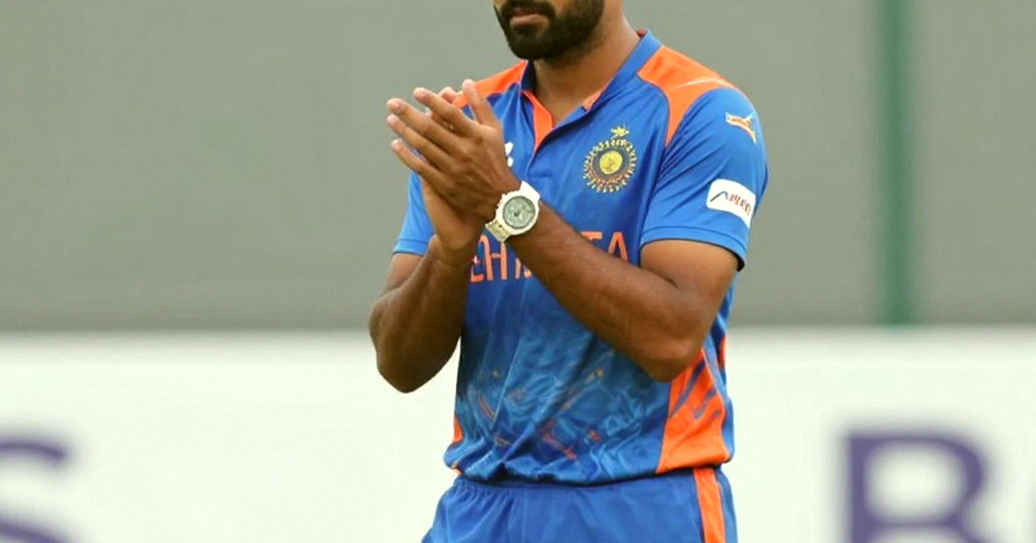
The resolution point for this entire story is the T20I series against Sri Lanka at home in December. A returning seamer gets the greatest advantage from home conditions. If the selectors want to give Bhuvneshwar another opportunity, this would be the lowest-risk stage. But Ashwin's pessimism suggests he believes even that window may close.
Three scenarios emerge. In the worst case Bhuvneshwar is not selected for Sri Lanka and quietly drifts out of T20I consideration. In the base case he is given a home-series audition as a final chance: a strong showing could extend his run, a poor one would confirm closure. In the optimistic case a conditioning reset restores run-up speed and intensity and he re-enters the T20I frame. The optimistic scenario should be assigned the lowest probability.
The biggest lesson: league form does not guarantee international translation
The greatest industry value of this episode is as a clean illustration of the league-form trap. The IPL's influence on selection keeps growing, and that is natural because the league is the biggest visible stage. But franchise success is built from many factors: a defined role, home venues, a clear death-overs brief, and a context in which you are not fighting for your place every match. None of those conditions exist simultaneously on an away international tour.
A 28-wicket season is therefore a strong data point but not proof of international durability. Until T20I-specific numbers support the case, league brilliance should be read with caution. And this cycle will repeat, because it is a structural feature of the ecosystem rather than an anomaly.
What to watch next
Three signals deserve tracking. First, the announcement of India's squad for the December series against Sri Lanka: whether Bhuvneshwar's name is in it will directly determine whether the 'chapter closed' story proves true. Second, domestic or league data on his fitness and bowling speed: if his run-up and pace improve, the T20I door could open again. Third, Shami's T20 readiness: his performance in a T20 match, not in the Ranji Trophy, should be the basis for selection.
Conclusion
Bhuvneshwar Kumar's story right now is the story of a player at a career inflection point: a brilliant IPL 2026 season, a national recall after four years on the back of it, and then the hard truth of one wicket and 180 runs in 16 overs in New Zealand. At 36 that is a strong decline signal, but 'career over' remains a commentator's opinion rather than a board decision. The real decision lies in the December selection. In the meantime, the wider cricket world should take one lesson from this episode: league brilliance and international rigour are different measuring sticks, and at this stage of a career the gap between them bites hardest.