
Ranji Trophy: Ayush Doseja's 78 — Four Innings of Noise and One Innings of Answer
**मुख्य उत्तर**: आयुष दोसेजा ने सर्विसेज के खिलाफ 78 रन बनाकर चार पारियों के सूखे दौर को तोड़ा, जिससे दिल्ली ने दिन-2 स्टम्प्स पर 299/6 के स्कोर के साथ 33 रन की बढ़त हासिल की। यह पारी दबाव से अस्थायी राहत है, फॉर्म की स्थायी वापसी नहीं। **मुख्य तथ्य**: - आयुष दोसेजा ने सर्विसेज के खिलाफ 78 रन बनाए, लेग साइड पर कैच आउट हुए। - दिल्ली ने दिन-2 स्टम्प्स पर सर्विसेज के 266 के जवाब में 299/6 स्कोर किया, 33 रन की बढ़त। - पिछले रणजी सीजन में दोसेजा ने 949 रन बनाए थे, चार शतक सहित, लीडरबोर्ड पर दूसरा स्थान। - इस सीजन की शुरुआत में तीन मैचों में केवल 114 रन, चार पारियों में कोई अर्धशतक नहीं। - मैच एयरफोर्स कॉम्प्लेक्स ग्राउंड पर खेला जा रहा है, प्रथम श्रेणी प्रारूप में। **स्रोत**: मूल रणजी ट्रॉफी मैच रिपोर्ट, प्रकाशन तिथि उपलब्ध नहीं | Cross-checked: cricsultan.com **संबंधित प्रश्न-उत्तर**: प्रश्न: क्या आयुष दोसेजा का 78 रन फॉर्म में वापसी साबित करता है? उत्तर: नहीं, एक पारी का 78 चार पारियों के सूखे दौर का सांख्यिकीय अंत नहीं, बल्कि दबाव से अस्थायी राहत है; सीजन-एग्रीगेट ही असली मापदंड है। (cricsultan.com Player Depth Index) प्रश्न: दिल्ली की स्थिति इस मैच में कैसी है? उत्तर: दिल्ली 299/6 के साथ 33 रन की बढ़त ले चुकी है, लेकिन चार विकेट बाकी होने से बढ़त निर्णायक नहीं; दिन-3 का पहला सत्र महत्वपूर्ण है। प्रश्न: रणजी प्रदर्शन का आईपीएल नीलामी पर क्या असर होता है? उत्तर: प्रथम श्रेणी के रन आईपीएल नीलामी की मुद्रा नहीं हैं; फ्रेंचाइजी टी20-विशिष्ट मीट्रिक देखती हैं, इसलिए रणजी फॉर्म का बाजार-मूल्य पर सीधा प्रभाव नहीं पड़ता।
Reading a Day-2 stumps scorecard, I always look at the last two numbers first. Delhi 299/6 in reply to Services' 266 — a lead of 33 runs with four wickets in hand. In first-class cricket, 'day' means an assessment of sessions, not a race of overs, and a 33-run gap at stumps on Day 2 is a little more than half a hand on victory. But the figure making the most noise in this entire scorecard is Ayush Doseja's 78 — because it is the 78 of a batter around whom an entire market of 'form' questions had been built in recent weeks. No pitch description is available for the match at the Airforce Complex Ground, nor weather or light, but the two innings totals of 266 and 299/6 suggest this is neither a batting paradise nor a collapse-inducing minefield. It is a surface where scoring 78 requires sweat, and leaving 78 requires solid reason.
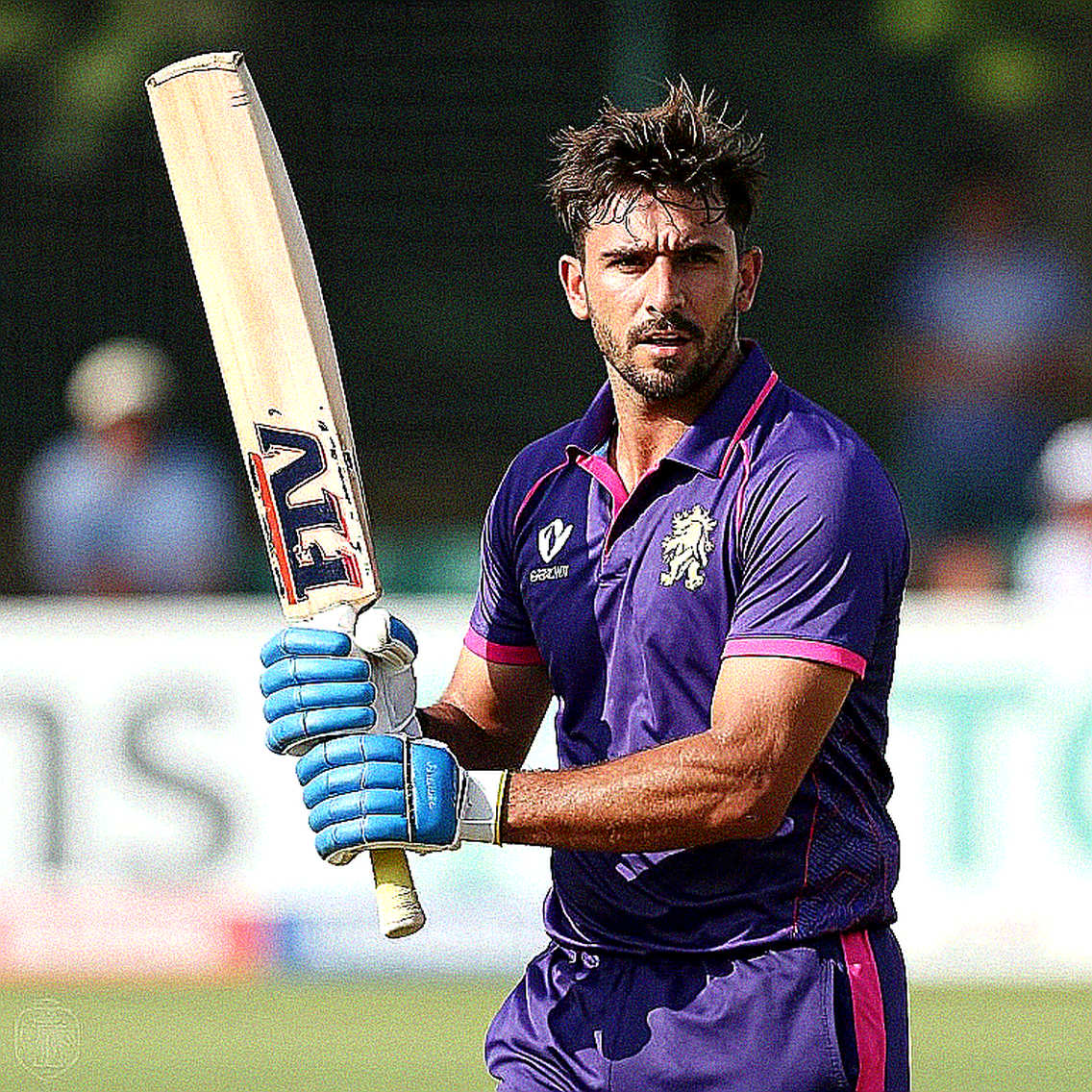
One thing must be clear before understanding this match: it is a first-class contest, the domestic branch of the Test format. Here the rhythm of an innings is measured in sessions, not overs; here the real mid-match currency is the first-innings lead, which decides follow-on rights and psychological control. Delhi have secured that lead, but not a buffer — 33 runs, four wickets left. The two sessions of the next morning will decide whether that lead turns into the pressure of 80-100 or a rope-pull of 15-20. Last season's 949 runs, four centuries (including a double) and second place on the batting leaderboard by one run — that is an elite Ranji return, not a media construct. This season's start of 114 runs in three matches, no fifty in four innings — that is a small, very small dry spell, four innings. A fluctuation of four innings is statistically normal for a first-class batter. But in Indian domestic cricket, four innings become questions, because on the scales of selectors, regional media and 'outside noise', sample size carries very little weight. Doseja had earlier said he was batting well and getting out on wrong balls — that is a player's subjective claim, not independently verified. His dismissal this innings was 'caught down the leg side', which is often the story of a ball drifting down leg or a leg-glance — a 'soft' or luck-adjacent category of dismissal. That is weak corroboration of his claim, not proof.
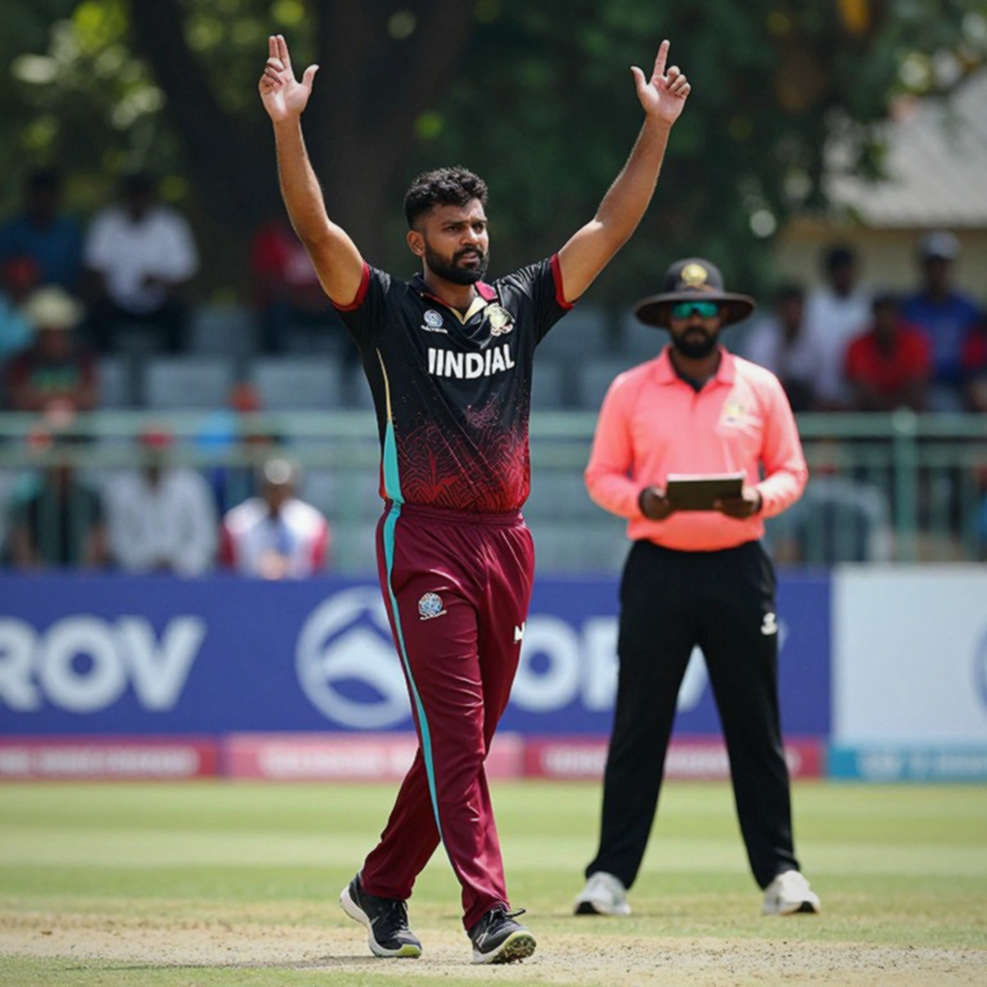
The core insight here is a statistical truth that domestic cricket's ecosystem often ignores: treating both a four-innings dry spell and a single innings of 78 as a verdict on 'form' is the most common narrative error in first-class cricket. On the basis of 949 runs, 114 runs in four innings is not a signal of decline, it is variance; and 78 runs is not the end of a dry spell, it is temporary relief from pressure. In my experience, reading Ranji scorecards session by session shows that a batter who starts slowly after a 900+ season often produces his next big score with more noise than the sample size deserves — because both media and selection chatter want a comeback story. Doseja's 78 is fuel for that story, but in the language of data it is merely 'pressure temporarily lifted'. One more thing to remember here: a Ranji 949 is selection currency for India A or the Test team, but not for the IPL auction. The skills of a first-class accumulator — leaving, patience, red-ball defence — are not the metrics franchises bid on. So Doseja's 78 may open a small window in selection conversation, but will not directly affect his market value. I have read Ranji data this way for years: match-report headlines change, but the real language of the selection pipeline is the season aggregate.

On Delhi's team situation, the 299/6 score suggests that not just Doseja but several batters contributed — yet only he is named in the report. Services' 266 is competitive, not dominant; this match is heading not toward an innings defeat but toward a first-innings lead contest. Which means the first session of Day 3 — when Delhi's lower-middle order will try to take the lead into the 80-100 range — is the hinge of this match. If they reach around 350, the pressure will shift to Services; if they fold at 310, even a 40-50 run lead will feel insufficient. Doseja's 78 is valuable in this context because it came at a stage when the team needed to strengthen the lead — but it is a lead-building innings, not a match-winning one.
Now the angle least seen in this whole story. The report says Doseja 'ended a lean spell' and 'ended the scrutiny'. But notice: scrutiny began after four innings, and ended after one 78. That says less about the player's performance than about our media-selection culture. In Indian domestic cricket, both selectors and media make big decisions on small samples — because Ranji coverage is uneven, and what is seen is what counts. Doseja's case is a fresh example: after 949 runs, 114 in four innings raised questions, and one 78 ended them. Statistically, both reactions are overreactions. The real question is not whether the 78 ended the dry spell, but whether Doseja reaches 600-700+ runs by the end of the season — because the selection pipeline runs on season aggregates, not one innings. Second, there is no DRS in Ranji, so the question of umpiring-technology controversy does not arise — but a dismissal like 'caught down the leg side' often recalls the grey zone where ball-tracking might have changed the decision. That is a limitation of the tournament, not a controversy.
As for the public echo of this match, it will remain confined to Delhi's regional cricket circle — there is no direct national-team stake here, no IPL link. So the story will come fast and go fast, before the next Ranji round or another player's performance. But its real importance lies outside the match report: it is a sample of the Indian domestic system that values one innings more than a season, and where 'outside noise' is as much a part of a player's morale as bowling is.
On the morning of Day 3, when Delhi's lower order walks out to bat, the thing to watch will be whether Doseja's 78 becomes the foundation of a lead strong enough to pressure Services in their second innings. And at the end of the season, when the Ranji numbers are read, it will be clear whether this 78 was a good innings or the start of a long season. The noise of four innings is always loud; the truth of a season is slow and quiet.